I like the idea of color. I really do. But every time I get close to painting a wall, I start doing the mental math: the mess, the smell, the “what if I hate it,” the fact that I’ll be living with it daily. And if you rent? Forget it. You don’t want a weekend project that ends with you googling “how to cover mistakes.”
So I tried the lazier version on purpose. Instead of changing the room, I added one statement shade in a way that felt reversible. The surprising part is how much it changed the whole vibe without making the room loud.
This is basically the trick: pick one color you actually like and let it show up a few times like it belongs there.
The Only Rule That Makes It Look Intentional
If you add one colored thing, it can look random. If you add the same shade three to five times, it starts looking planned.
Not “matchy.” Just connected.
So the formula is:
neutral base + one shade + a few repeats
And that’s it. That’s the whole “designer secret.”
What to Buy (5 Products + Details)
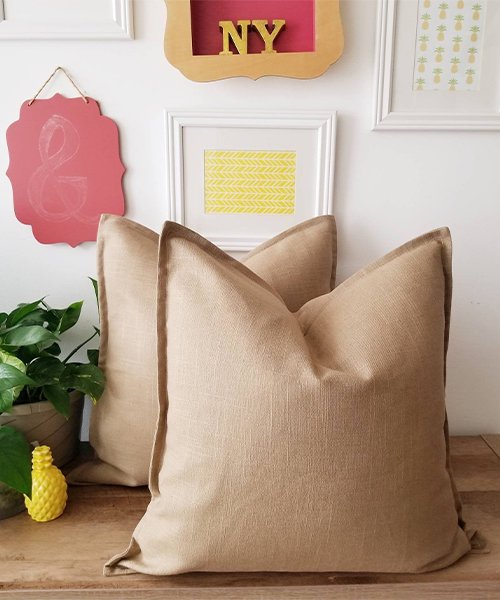
Pillows are the easiest way to test a shade because if you get bored, you swap them and move on. No regret, no drama.
Details to look for:
- Buy covers, not full pillows (cheaper and easier to change)
- Two is usually enough, three max
- Texture matters: linen/cotton feels casual, velvet looks richer
- A mix of sizes looks more natural than four identical pillows
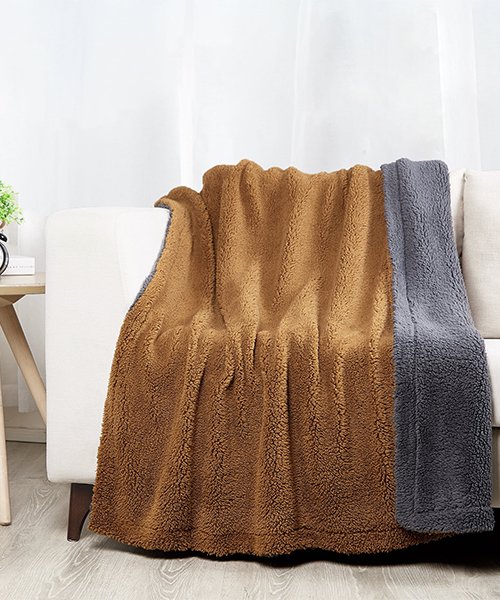
This is the piece that makes the color feel “normal,” like it’s part of your everyday life. Also, color looks better when it has texture—flat color can look harsh.
Details to look for:
- Big enough to actually use
- A texture that still looks good when it’s casually tossed
- Slightly muted tones usually feel calmer than super bright ones
- If your sofa is neutral, this becomes an instant focal point
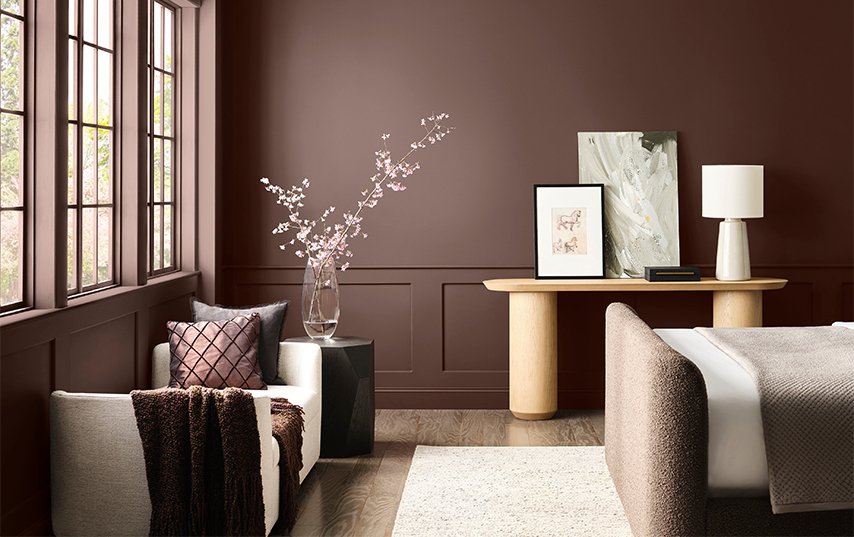
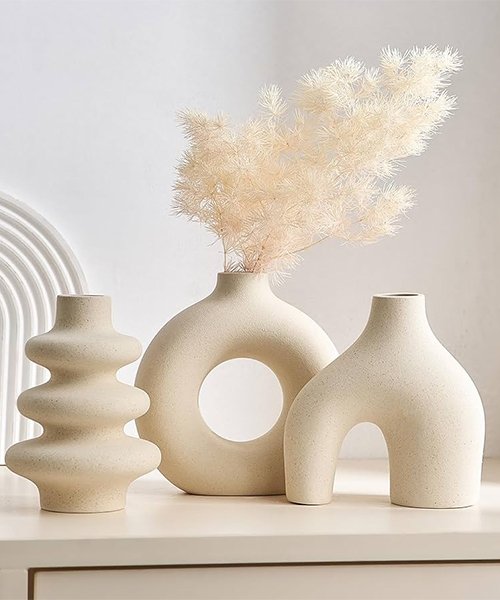
I like ceramic for statement color because it reads as an object, not a trend. One vase on a shelf or console can pull the whole room together without feeling like you’re trying too hard.
Details to look for:
- Matte or textured finish (looks more modern)
- Tall enough to be noticed from a distance
- One is enough—don’t buy five little things just to “add color”
- Matte or textured finish (looks more modern)
- Tall enough to be noticed from a distance
- One is enough—don’t buy five little things just to “add color”
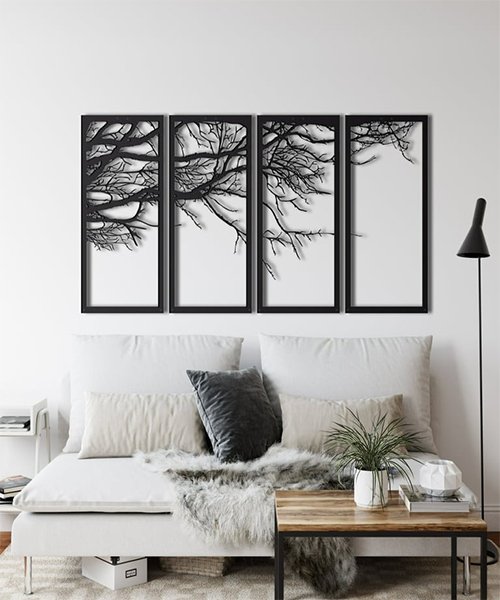
This is the move that makes the color feel connected to the room, not floating around. Art basically tells your eye, “this shade belongs here.”
Details to look for:
- Doesn’t have to be all-color—better if it includes neutrals too
- One medium/large piece usually looks cleaner than lots of tiny frames
- Simple frame keeps it from looking busy
- Doesn’t have to be all-color—better if it includes neutrals too
- One medium/large piece usually looks cleaner than lots of tiny frames
- Simple frame keeps it from looking busy
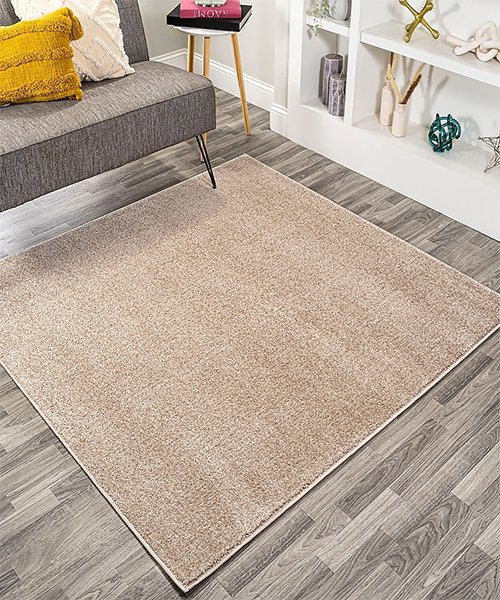
Rugs are grounding. If your color only lives on pillows, it can feel like it’s sitting “on top” of the room. A rug makes it feel anchored.
Details to look for:
- Don’t go too small (tiny rugs make rooms look cramped)
- Low-to-medium pile is easiest for daily life
- Patterned rugs hide wear better
- If you’re nervous, choose a rug where the shade is an accent, not the entire rug
How to Choose the Shade Without Regretting It
Here’s the best test I’ve found:
Pick a color you’d still like on a tired Tuesday, not just on a Pinterest day.
A few easy guidelines:
- If your room is warm (beige, wood tones), earthy shades look natural
- If your room is cool (gray, black/white), choose something that adds warmth or softness
- If you want calm, choose a muted version of color
- If you want bold, keep the shade strong but limit the number of items
Do’s and Don’ts (Short, No Lecture)
Do: repeat the shade a few times
Don’t: sprinkle it everywhere in tiny pieces (it turns into clutter)
Do: mix textures (pillow + throw + ceramic)
Don’t: make every colored item the same fabric/finish
Do: keep everything else simple
Don’t: add a statement shade and a bunch of new patterns at the same time
Final Take
You don’t need to paint to make color feel real in a room. One statement shade, repeated a few times—pillows, a throw, a vase, a piece of art, and a rug that hints at it—can change the whole mood without turning your home into a project.
No Comment! Be the first one.