

There are days when my brain is willing… but my body is not. Not injured, not sick, just low battery. And on those days, the worst thing I can do is pick a plan that requires motivation, setup, and decision-making—because I’ll end up doing nothing and then feeling guilty about it, which makes tomorrow harder too.
What actually helped me was building a minimum workout system. Not a “real session.” Not a transformation. Just a small routine that keeps the habit alive on tired days, so I don’t fall into the all-or-nothing trap.
The key is this: low-energy days still deserve movement, just the easiest version.
What to Buy (5 Products + Details)
This is my “minimum kit.” It fits in one basket, works in small spaces, and covers warm-up, strength, mobility, and quick relief.
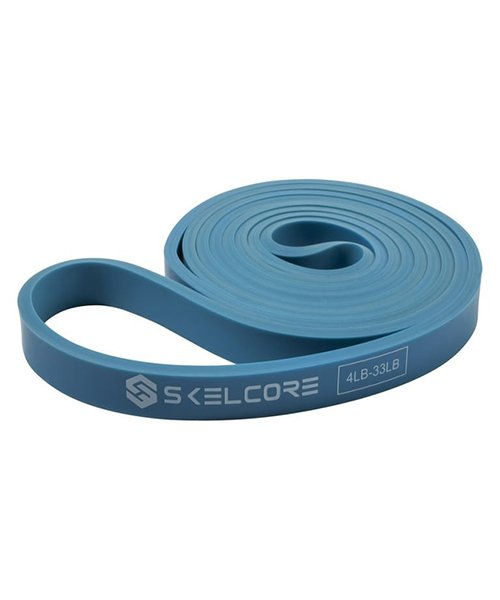
This is the band you can use for warm-ups, rows, gentle presses, shoulder work, and assisted stretches.
Details to look for: comfortable tension (not super heavy), enough length to pull without snapping back harshly, smooth material that doesn’t dig into hands, and something you can store without it turning into a tangled mess.
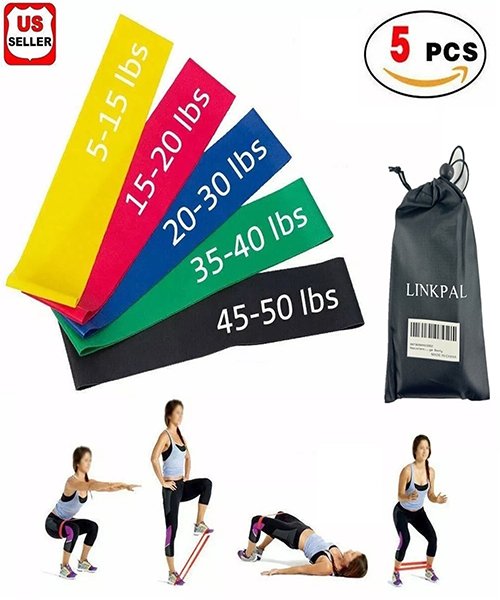
Loop bands make glutes/hips wake up fast, which helps your lower back and posture even if you do nothing else.
Details to look for: at least 3 levels (light/medium/heavy), a band that doesn’t roll up constantly (fabric can feel nicer on legs), and a width that feels stable during side steps.
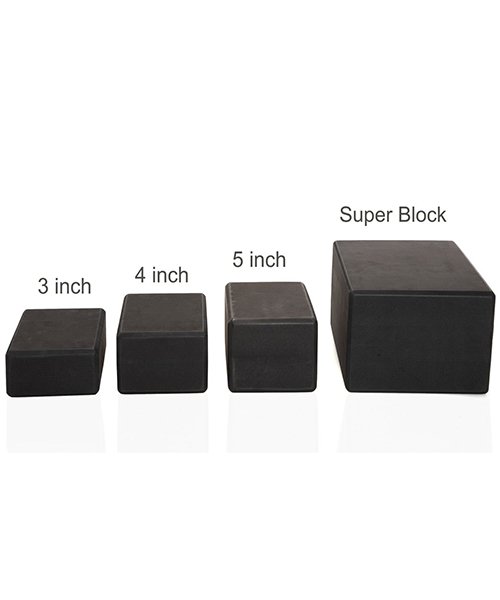
Blocks are underrated because they don’t just help stretching—they make movements feel accessible when you’re stiff or tired.
Details to look for: medium firmness (too soft feels useless), non-slip surface, standard size you can comfortably grip, and edges that aren’t painfully sharp.
4) A Massage Ball (Or Lacrosse Ball) (Fast Relief, No Setup)
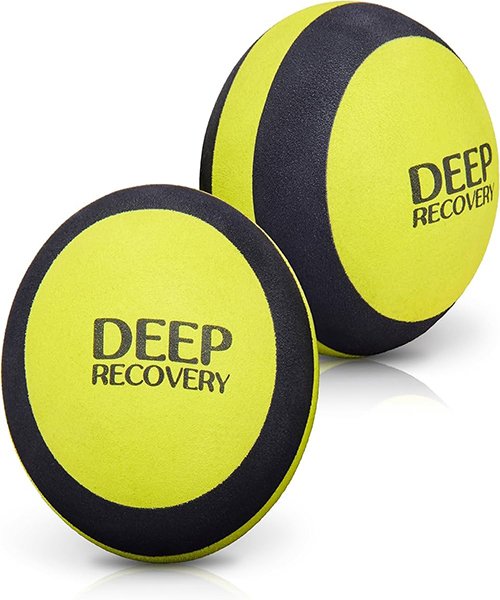
This is for the tight spots that make the whole day feel annoying: feet, upper back against a wall, glutes, shoulder blade area.
Details to look for: a ball that’s firm enough to help but not so hard that you avoid it, a surface that grips slightly (too slippery is frustrating), and a size that’s easy to control.
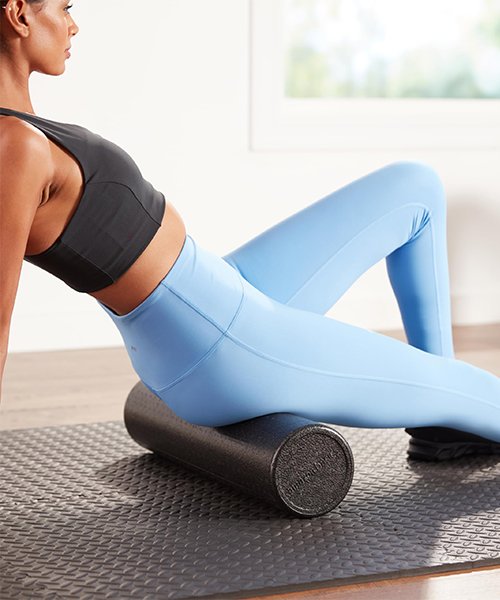
This isn’t for suffering. It’s for loosening up enough that movement feels possible again.
Details to look for: medium firmness (super hard rollers can be miserable), a size that fits your storage space, and a surface that isn’t aggressively spiky if you’re a beginner or sensitive.
The Minimum Workout Rule (So You Don’t Quit)
My rule is simple: minimum counts.
If I do 6 minutes, it counts. If I do 3 minutes, it counts. The goal is not “burn calories.” The goal is staying connected to the habit, so I don’t have to “start over” later.
Another rule that matters: no complicated plans on low-energy days. Low-energy days get the simplest routine possible.
The 8-Minute Minimum Workout (My Default)
This is what I do when I don’t feel like working out but I also don’t want to feel worse.
Minute 1–2: Gentle Wake-Up
- shoulder rolls + slow neck check (easy)
- a few deep breaths where shoulders drop on the exhale
- light band pull-aparts or gentle band rows (just enough to open the upper body)
Minute 3–5: Lower Body “Support” (Not Intense)
- loop band side steps (short range, slow)
- or glute bridges (if floor feels okay)
- or standing glute squeezes (if you refuse to go down to the floor)
This part matters because when glutes wake up, your back stops trying to do everything.
Minute 6–7: One Simple Strength Move
Pick one:
- bodyweight squats (slow, controlled)
- incline push-ups (counter/wall)
- band rows (door anchor if you have it, or just band around your feet)
One move is enough. The goal is to tell your body: we still do strength, even lightly.
Minute 8: Downshift
- quick foam roll (upper back or calves) or massage ball on feet
- then one slow stretch with blocks if needed
You should finish feeling better, not wiped out.
The Ultra-Lazy Version (2–3 Minutes, Still Counts)
On truly low days, I do this and move on:
- 30 seconds: shoulder drop + upper back reach
- 60 seconds: loop band side steps (or just slow marching in place)
- 30 seconds: massage ball under one foot, then the other
That’s it. The habit stays alive.
Why This Works (In Real Life)
Because it doesn’t rely on motivation. It relies on momentum. The minimum workout lowers the barrier so much that you’re more likely to do it—and once you’ve started, you often do a little more naturally. But even if you don’t, you still win, because you didn’t break the chain.
It also changes your identity quietly. You stop being someone who only works out when life is perfect. You become someone who moves even when energy is low—just in a gentler way.
Do’s and Don’ts (Short and Useful)
Do: keep the kit visible and easy to grab. Don’t: hide it and expect discipline to appear.
Do: aim for “feel better after.” Don’t: turn low-energy days into punishment.
Do: let 3–8 minutes count. Don’t: quit because you couldn’t do 30 minutes.
Do: repeat the same minimum routine often. Don’t: keep changing it and overthinking it.
Final Take
Low-energy days don’t need a big workout—they need a small one that you’ll actually do. A simple kit (bands, blocks, a ball, a roller) plus an 8-minute minimum routine keeps the habit alive, reduces stiffness, and makes it easier to return to “normal workouts” later. The real goal isn’t intensity. It’s staying consistent enough that movement keeps feeling normal.
No Comment! Be the first one.