


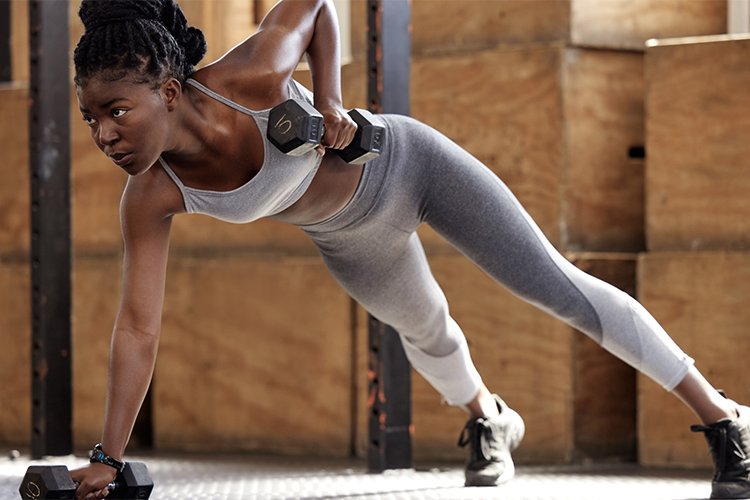

I avoided strength training for a long time for the same reason a lot of people avoid it: I thought it came with a whole personality. Like you either lift heavy and become intense about it, or you don’t lift at all. I also had that old fear in the background—“What if I get bulky?”—even though, realistically, most of us struggle to stay consistent with a basic routine, let alone accidentally turn into a bodybuilder.
What finally clicked for me is that strength training isn’t a look. It’s a skill. It’s the adult version of being able to carry groceries without feeling personally attacked, get up from the floor without making sound effects, and sit at a desk without your back feeling like it’s doing unpaid overtime.
And once I started seeing it like that, it got way easier to approach.
Why People Think Strength = “Bulking”
Most of the “bulking” fear comes from mixing up three different things:
- Muscle growth (slow, requires progressive overload and consistency)
- Gym culture (not required, and honestly optional)
- The aesthetic of lifting (which is not the same as the function of lifting)
If you lift 2–3 times a week with basic movements, what most people get isn’t “bulk.” It’s usually: better posture, stronger legs, less random aches, more stability, and a body that feels more capable. And if someone wants visible muscle gain, that usually requires more structure, more volume, more food, and more time than people assume.
So if your goal is just to feel stronger and more solid in daily life, strength training is one of the most direct paths there.
The “Adult Skill” Version of Strength Training
This is the mental switch that helped me: I stopped thinking “workout,” and started thinking “skills my body should have.”
Strength training helps with boring real-life moments like:
- carrying laundry without switching hands every ten seconds
- climbing stairs without feeling weirdly winded
- standing up from a chair without using momentum
- lifting a suitcase without twisting like a pretzel
- walking with better posture because your back isn’t tired
When you see it like that, it stops being an aesthetic project and becomes basic maintenance.
The 4 Moves That Cover Almost Everything
I used to overcomplicate strength training. Now I keep it simple, because simple is repeatable.
If you do these four patterns consistently, you’re basically training your whole body:
1) Squat Pattern (Legs + Everyday Power)
Think: sitting down and standing up, but stronger.
Examples:
- bodyweight squats
- sit-to-stands from a chair
- goblet squats with one dumbbell
2) Hinge Pattern (Backside Strength + Back Support)
This is the “pick something up safely” pattern.
Examples:
- hip hinges (gentle bow with a neutral back)
- Romanian deadlift style movement with light dumbbells
- good-mornings (hands on hips, controlled)
3) Push Pattern (Chest/Shoulders + Practical Strength)
Examples:
- incline push-ups on a counter
- wall push-ups
- dumbbell floor press
4) Pull Pattern (Posture + Upper Back Support)
This is the one most people miss at home, but it matters a lot if you sit at a desk.
Examples:
- resistance band rows
- door-anchored band rows
- “squeeze shoulder blades” holds (simple but effective)
If you cover these patterns 2–3 times per week, you’re doing more than most people who “work out” randomly without structure.
The Beginner Plan That Doesn’t Feel Like a Gym Plan
If you want a low-pressure way to start, this is the template I like:
2 Days Per Week (20–30 minutes)
Day A
- squat pattern
- push pattern
- pull pattern
- short core (optional)
Day B
- hinge pattern
- squat or lunge pattern
- pull pattern
- short core (optional)
That’s it. You don’t need a fancy split. You don’t need a perfect sequence. You just need something you can repeat.
And the best beginner rule: leave 1–2 reps “in the tank.” If every set feels like suffering, you won’t come back. Strength builds faster when your routine survives.
How to Know You’re Doing It Right (Without Overthinking)
A few signs you’re in a good zone:
- you feel worked, not destroyed
- your form stays controlled (even if it’s not “perfect”)
- you can repeat the same session next week without dreading it
- weights/reps slowly become easier over time
- daily life starts feeling slightly lighter
You don’t need soreness to prove it worked. Soreness is just a signal that you did something new or more intense than usual. Consistency matters more than soreness.
Do This, Not That
Do: start with 2 days/week and repeat the basics
Don’t: start with 6 days/week and burn out by day 5
Do: keep movements simple and controlled
Don’t: chase complicated exercises because they look cool
Do: increase slowly (a little more weight or reps over time)
Don’t: turn every session into a test
Do: prioritize pulling movements if you sit a lot
Don’t: only do push-ups and wonder why shoulders feel tight
Final Take
Strength training isn’t “bulking.” It’s not a vibe. It’s not a personality. It’s a practical skill that makes your body more useful in everyday life. If you treat it like maintenance—two or three short sessions per week, built around squats, hinges, pushes, and pulls—it stops feeling intimidating and starts feeling normal. And once it feels normal, it’s much easier to keep.
No Comment! Be the first one.