Wearables Made Me More Consistent (But Only After I Used Them This Way)
I bought a fitness tracker thinking it would magically turn me into a consistent person. You know the fantasy: you put it on, it tells you what to do, and suddenly you’re walking 10k steps a day with perfect hydration and a calm nervous system.
What actually happened was more realistic. I wore it for a week, checked the numbers a lot, felt slightly judged by my own wrist, and then… stopped paying attention. Not because the tracker was useless. Because I was using it like a scoreboard. And scoreboards make me either obsessive or annoyed.
Wearables only started helping when I stopped treating them like a “performance meter” and started using them like a gentle nudge. Not to prove I’m doing enough. Just to make sure I’m doing something consistently.
The Real Problem Wearables Don’t Fix Automatically
Wearables don’t create discipline. They create information. And information is only helpful when it leads to one clear action.
The reason wearables fail for a lot of people (including me) is that they show too much: steps, heart rate, sleep, calories, stress, rings, streaks… and your brain turns it into pressure.
So I picked one approach that actually works for daily life:
I use my wearable for “minimums,” not goals.
Minimums are friendly. Minimums keep the habit alive.
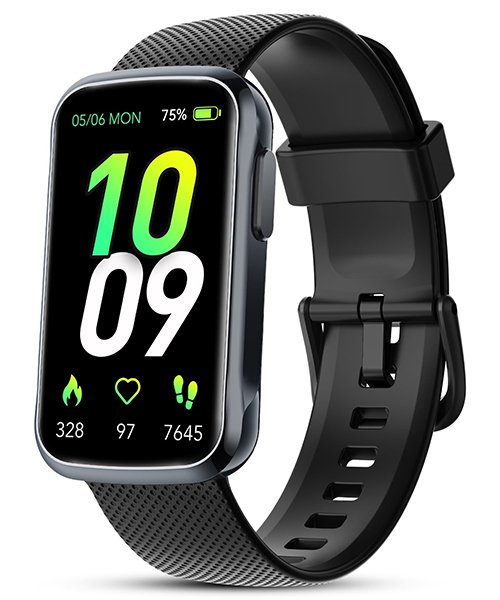
This is the simplest wearable for most people because it’s easy to check, easy to wear, and it covers the basics: steps, heart rate trends, activity time, and often sleep.
Details to look for:
Comfort: if it annoys your wrist, you won’t wear it daily
Battery life: daily charging kills consistency for many people
Screen readability: you want quick glances, not fiddling
Water resistance: helpful if you don’t want to baby it
Data you actually use: pick one or two metrics you care about, ignore the rest
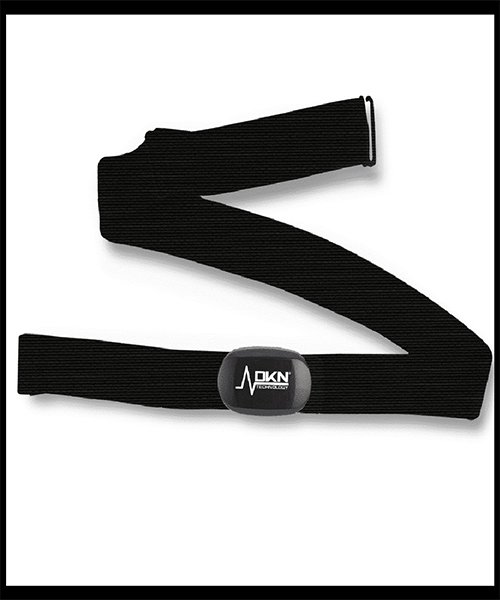
If you do structured training, chest straps can be more reliable for heart rate during intense movement than wrist sensors for some people. But it’s only worth it if you’ll actually use it.
Details to look for:
Comfort + fit: too tight feels awful, too loose slips
Bluetooth pairing: should connect easily to your phone/watch
Replaceable battery or rechargeable: pick what you’ll maintain
Use case: great for interval work, cycling, running, or zone-based sessions
If you’re mostly walking and doing casual workouts, you can skip this and keep it simple.
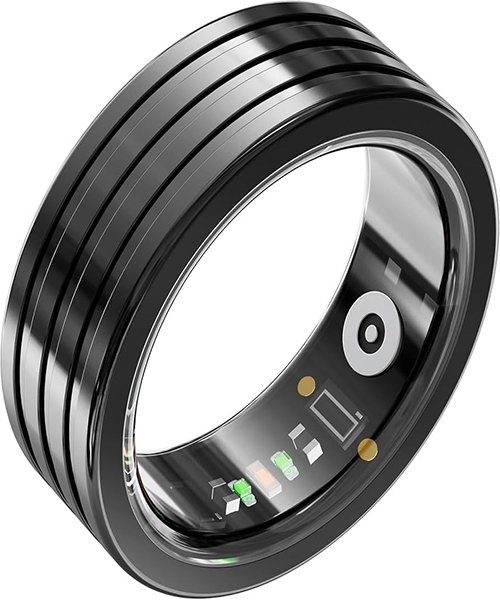
Smart rings are popular because they’re comfortable, low-profile, and often feel easier to wear 24/7 than a watch. They’re usually used more for sleep and recovery patterns than “workout tracking.”
Details to look for:
Sizing: you need correct sizing for accurate data
Comfort at night: this is the whole point
Battery life: if it’s constantly dead, it becomes useless
Focus: best if you care about sleep consistency and readiness-style signals
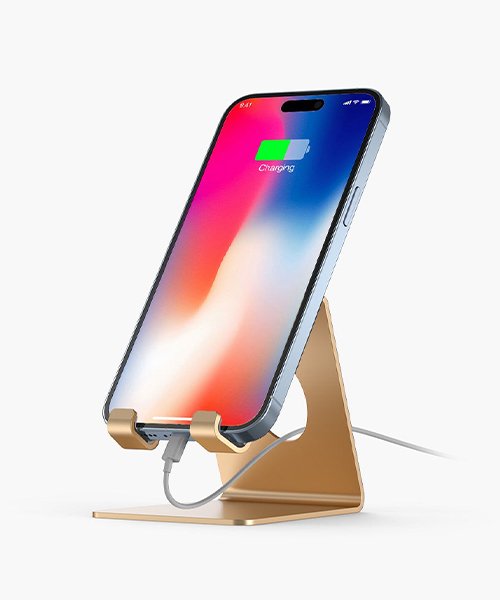
This isn’t a wearable, but it’s what made consistency easier for me. If your workouts require decision-making, you’ll skip them. A basic follow-along plan removes the “what should I do today?” problem.
Details to look for:
Stand stability: it shouldn’t wobble mid-workout
Screen height: eye-level-ish is better than looking down constantly
App simplicity: choose an app that offers short sessions and doesn’t overwhelm you
Audio cues: helpful so you’re not staring at the screen the whole time
I know this sounds old-school, but it’s the most calming “tracker.” It keeps your plan simple without turning it into a data obsession.
Details to look for:
One-page weekly layout is enough
Track only: workout done, what you did, how it felt
No guilt notes, no dramatic streak pressure
The point is remembering patterns, not proving you’re perfect
How I Use Wearables Now (The “No Pressure” System)
1) I Pick One “Minimum Movement” Target
Not 10k steps. Not a huge goal. Just a minimum that feels doable even on a tired day.
Example minimums:
a short walk
a 12-minute movement snack
15–20 minutes of any activity
The wearable is only there to remind me if the day is becoming too still.
2) I Treat Alerts Like Suggestions, Not Orders
If my watch tells me to move, I don’t treat it like a command. I treat it like a nudge. Sometimes I get up. Sometimes I ignore it. But over time, those nudges make me less “stuck.”
3) I Check Trends, Not Daily Perfection
I don’t judge one day of low steps or one night of bad sleep. I check patterns:
Am I moving most days?
Am I sleeping okay more often than not?
Do I feel better on days I move?
This keeps the data useful and non-toxic.
4) I Use the Wearable to Catch “Invisible Inactivity”
The most helpful thing wasn’t “motivation.” It was awareness. I’d think I had an active day, then realize I barely moved because I was stuck at a desk. That awareness is what triggers a small walk or stretch.
Do’s and Don’ts (Short Version)
Do: use wearables for minimums and reminders Don’t: use them like a scoreboard that decides your worth
Do: choose a device you’ll actually wear daily Don’t: buy the fanciest option if it annoys you to wear
Do: look at weekly trends Don’t: panic about one “bad” day
Do: pair the wearable with an easy plan (short sessions) Don’t: rely on data without action
Final Take
Wearables didn’t make me consistent by themselves. But once I used them the right way—minimums, gentle nudges, trend-checking instead of daily pressure—they became genuinely useful. The best wearable setup isn’t the most advanced. It’s the one that reduces friction and quietly keeps you moving in real life.


No Comment! Be the first one.