
I used to think a safari lodge was basically a fancy hotel placed near animals. You wake up, sip coffee, spot a lion, take your photos, and go back to “luxury.” That’s the version you see online.
The real version is a little more human. It’s early alarms, dusty shoes, quiet excitement, long drives where nothing happens… and then five minutes of magic that makes you forget you were tired. It’s also the kind of trip where your lodge matters more than usual, because you don’t just “sleep there.” You eat there, rest there, recover there, and spend a lot of time staring into space there (in the best way).
So here’s the honest breakdown of a Kenya safari lodge stay—what surprises you, what’s actually worth the money, and who should choose a different style of trip.
First: What a “Safari Lodge” Actually Is (Not the Fantasy)
A safari lodge isn’t one consistent standard. It can mean:
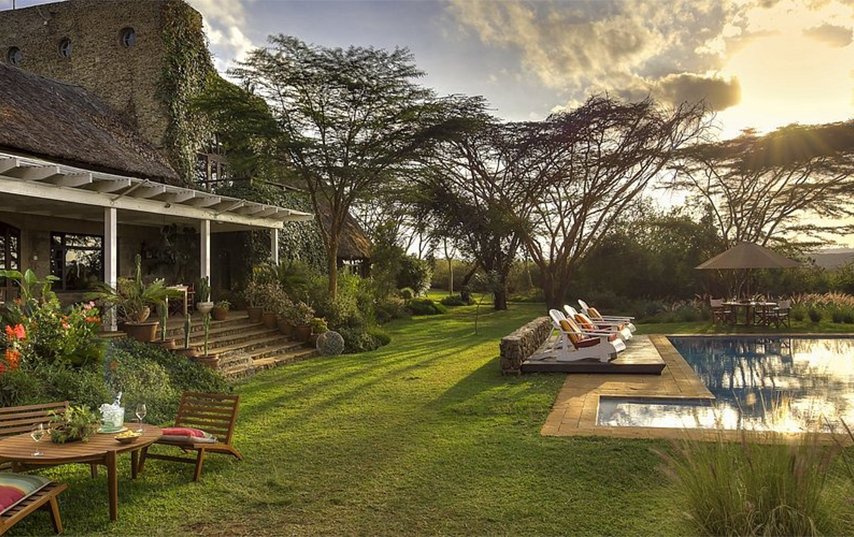
- a large lodge with many rooms, a pool, a busy dining area, and a “hotel vibe”
- a smaller tented camp where everything feels intimate and quiet
- a mid-range lodge that’s comfortable, practical, and built for families or groups
What they all have in common: you’re usually inside or near a conservancy / park area, and the day is built around game drives. You’re not in control of the schedule the way you are on a city trip. Nature sets the pace, and the lodge is your base between drives.
The biggest mindset shift: you’re paying for access + logistics + experience, not just a room.
Arrival: The Moment It Starts to Feel Real
Most people arrive slightly overstimulated—travel day, heat, excitement, and the weird feeling of being somewhere you’ve only seen in documentaries. Then the lodge staff welcomes you like you’re expected, not like you’re “checking in.”
There’s usually a calm explanation: meal times, game drive times, where to walk and where not to walk, and how things work after dark (which is a real thing because movement is more controlled at night for safety).
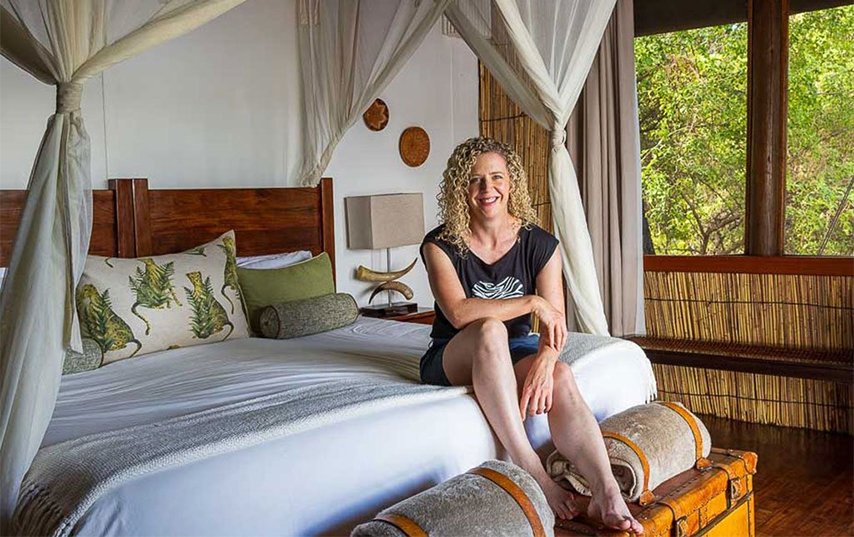
If you’re staying in a tented camp, there’s often a moment where you look at the canvas and think, “Wait… this is my room?” And then you walk inside and it’s unexpectedly comfortable—real bed, clean bathroom, warm lighting—and you realize “tented” doesn’t mean roughing it. It means “designed to feel close to the landscape.”
The Daily Rhythm: Safari Life Is Repetition (And That’s the Point)
A safari lodge day tends to have the same bones:
Early morning
You wake up earlier than you want. It’s dark, quiet, and cool. You pull on layers and meet your guide. There’s coffee, maybe a light snack, and then you’re out.
Morning game drive
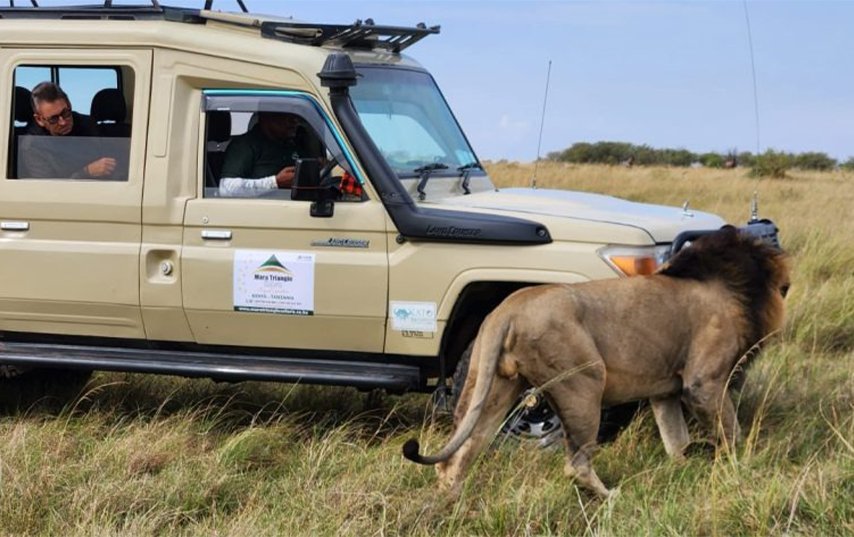
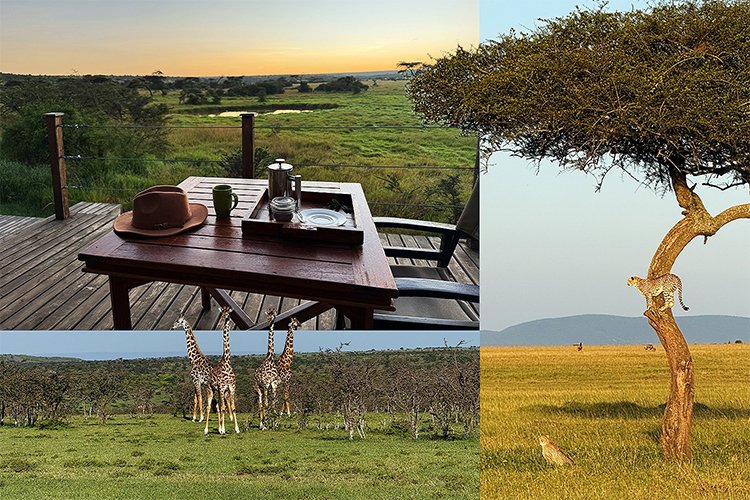
The first hour can be slow. You might see a few animals, you might see nothing, and then suddenly the drive turns into the kind of scene that makes your brain go silent. A lion in tall grass. Elephants moving like they own the world. A cheetah sitting so still it looks unreal. The point isn’t constant action—the point is being out there long enough for the moment to find you.
Breakfast / late morning
You come back hungry in a way that feels earned. Breakfast tastes better because you’ve been up, moving, breathing that air. You shower. You lie down. You stare at the ceiling. It’s a different kind of tired—good tired.
Afternoon rest
Safari lodges often build in downtime because the heat and the early mornings demand it. This is when you nap, read, sit by the pool, or just sit. If you’re the type who feels guilty resting, a safari forces you to accept it.
Evening game drive
The light changes everything. The landscape looks softer. The animals feel more active. The sky does that dramatic thing it does in open spaces. Even if the drive is “quiet,” it still feels like an experience because you’re not scrolling—you’re watching.
Dinner + early night
After dinner, many people don’t stay up late. You’ve been awake since before sunrise. And there’s something about being in the wild that makes sleep feel… necessary.
That routine repeats. And surprisingly, it doesn’t feel boring. It feels grounding.
The Lodge Itself: What’s Actually Worth Paying For
This is where people make mistakes. They pick a lodge based on photos, when the real value is in a few practical things.
1) The guide quality (quietly the most important part)
A great guide doesn’t just “find animals.” They make the whole experience feel meaningful without performing. They explain enough to make you curious, not overwhelmed. They notice details you would miss. They read the environment like a language.
If your guide is excellent, even a “slow day” feels interesting. If your guide is mediocre, you can see big animals and still feel like something was missing.
2) The location (because it affects what you see)
Some areas are known for certain landscapes, certain animals, or certain density of sightings. You don’t need to memorize geography. Just know that location changes the experience the way a neighborhood changes a city trip.
3) Comfort that supports early mornings
This sounds obvious, but it’s the difference between loving the trip and just surviving it:
- good bedding
- hot water that works consistently
- rooms that cool down properly at night
- staff who manage the rhythm smoothly (wake-up calls, packed breakfasts, timing)
A safari looks romantic online. In real life, you’ll be tired. Comfort matters.
4) Food that feels reassuring, not “extra”
Many lodges serve set meals or buffet-style meals. Some are impressive, some are simple. The best ones feel comforting: warm, consistent, and satisfying after long drives.
And honestly, you don’t need a five-star tasting menu out there. You need food that makes you feel taken care of.
The Parts People Don’t Mention (But You Should Know)
Dust is part of it
Even in luxury lodges, you’ll get dusty. Your shoes, your clothes, your camera bag—everything carries the environment. It’s not gross; it’s just real.
Wildlife isn’t a guaranteed show
You can do everything “right” and still have a quiet day. That’s not a failure. That’s nature. If you go in expecting constant drama, you’ll be disappointed. If you go in expecting a wild landscape with occasional incredible moments, you’ll be happy.
The emotional side can be intense
Seeing animals up close hits people differently. Some people feel pure joy. Some feel emotional. Some feel conflicted. It’s normal. It’s not like watching nature videos—you’re there.
It can be surprisingly social
Lodges often bring people together at meals. If you like meeting travelers, it’s great. If you want privacy, choose smaller camps or ask about how communal the setup is.
Who a Safari Lodge in Kenya Is Perfect For
You’ll love it if you:
- enjoy early mornings (or can tolerate them for something worth it)
- like slow travel where the day has a rhythm
- want to feel off your phone without forcing yourself
- love nature, photography, or simply being in big open spaces
- don’t need constant entertainment to feel satisfied
It’s also great for couples and families—if the lodge is set up for your style of travel. Some are romantic and quiet; some are family-friendly and busy.
Who Should Consider a Different Style of Trip
A lodge safari might not be your favorite if you:
- hate waking up early and feel miserable without sleep
- get bored unless something is “happening” constantly
- struggle with long drives and sitting
- are very sensitive to heat/dust
- want nightlife, shopping, city energy, or flexible schedules
In that case, you might enjoy:
- a shorter safari add-on (2 nights instead of 5)
- a lodge with more activities on-site (pool, spa, walks, cultural visits)
- or a completely different travel style for this trip
The Honest Conclusion
A Kenya safari lodge stay is worth it when you understand what you’re buying: time in a wild place, guided by people who know it, supported by comfort that helps you keep showing up for sunrise.
It’s not worth it if you’re buying it like a luxury hotel experience where you expect constant stimulation and perfect predictability. Nature doesn’t work like that. Some drives are quiet. Some are unforgettable. The beauty is in not knowing which one you’ll get.
If you pick a lodge with a good location, strong guides, and the right level of comfort for your energy, you’ll leave with something that’s hard to explain to people who haven’t done it: a calmer mind, a different relationship with time, and a memory that doesn’t feel like a “trip highlight.” It feels like a life moment.
No Comment! Be the first one.