Tokyo Capsule Hotels in 2026: The Version People Don’t Put in Reels
I used to think capsule hotels were either a genius Tokyo invention or a tourist gimmick—nothing in between. The truth sits somewhere in the middle, and it depends on what you expect when you book.
If you book a capsule hotel thinking it’s a tiny hotel room, you’ll be disappointed. If you book it the way locals often use it—like a clean, efficient place to sleep when timing or location matters—it can be one of the smartest choices in the city.
This is what it actually feels like, from arrival to the next morning.
The first five minutes: “Oh… this is more organized than I expected”
Most capsule hotels don’t feel messy or improvised. They feel systemized. You check in, you’re told where to store your shoes (often), where your locker is, where the showers are, and where your capsule is. Everything is labeled. Everything is designed to keep people moving without chaos.
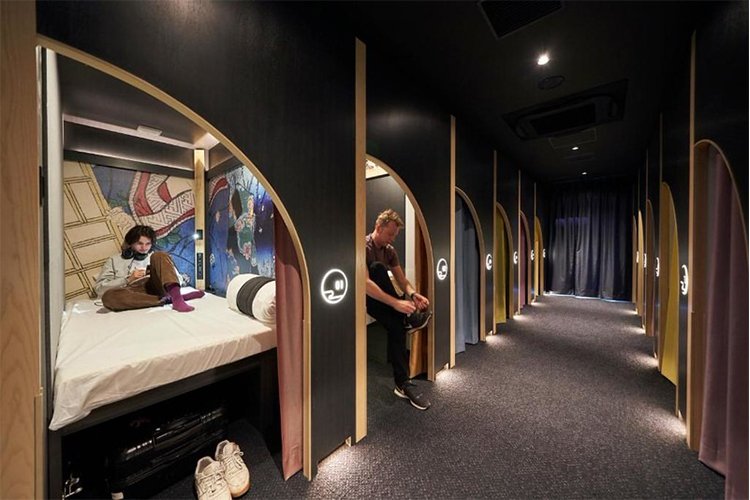
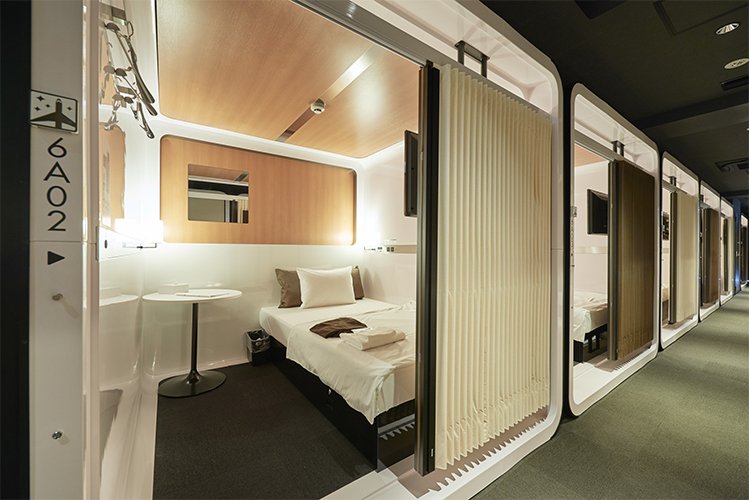
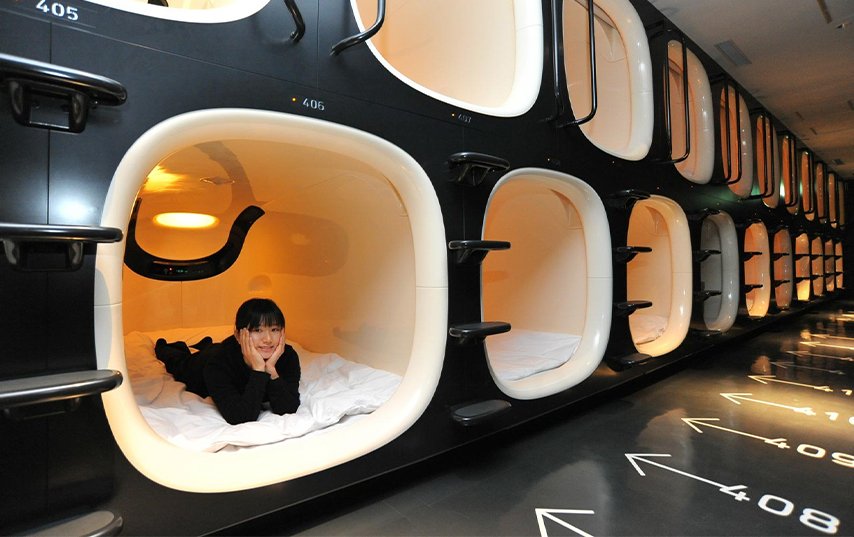
Your capsule isn’t a “room.” It’s a private sleeping pod—enough space to lie down, sit up, and scroll for a bit. That’s it. No chair. No desk. No spreading out.
At first, it feels strange. Then, weirdly, it starts to feel simple. Like your brain stops negotiating where things go because there aren’t many options.
What the capsule itself feels like (and what surprises most people)
Here’s the part that shocked me: it can feel more comfortable than you expect.
A good capsule is dark, quiet-ish, and cozy in a way that makes sleep easier—especially if your day was loud and crowded. You pull the curtain down, and suddenly your world shrinks to a calm little rectangle. That can be comforting, not claustrophobic, if you’re the type who likes snug spaces.
But you do notice the trade-offs. There’s no real privacy like a hotel door gives you. You’re separated, but not completely sealed off. If someone walks by, you know. If someone is packing nearby, you’ll hear it. It’s not scary—it’s just communal living with good design.
The shared areas are where the experience is decided
Two capsule hotels can look similar online and feel completely different in real life because of the shared spaces.
If the locker area is tight, people bump around and it feels stressful. If it’s spacious and organized, it feels smooth.
If the shower area is clean and well-designed, you relax immediately. If it’s crowded, you start counting minutes like you’re at an airport.
And the lounge matters more than you’d think. Some capsule hotels have a calm lounge where people quietly sit, recharge, read, and sip something. Others have a “transit hub” vibe where everyone is coming and going. Neither is wrong—but you should know what you’re signing up for.
The real downside: sound
This is the main thing that decides whether you’ll love it or hate it.
Even with quiet rules, you’ll hear human life: footsteps, locker doors, zippers, the soft thump of someone climbing into a capsule. Most people are considerate, but it only takes one late arrival who packs like they’re moving apartments to ruin the vibe.
If you sleep deeply, you might not care. If you’re a light sleeper, this can become the entire story.
My honest advice: treat earplugs like part of the booking, not an optional accessory.
The small inconvenience that becomes a bigger thing: your stuff
Because your suitcase usually lives in a locker area, your capsule becomes this “sleep-only” zone. That’s fine—until you realize you forgot your charger, or your skincare, or tomorrow’s shirt.
The first night, you’ll do a couple of unnecessary walks back and forth. The second night, you learn to pack a small “capsule kit” and keep it with you: phone, charger, water, toiletries, maybe one clean top.
Once you do that, the whole experience becomes smoother. If you don’t, you’ll feel mildly annoyed all night.
Who capsule hotels actually work for
They work best for:
solo travelers who don’t need privacy to feel safe or relaxed
people doing short stays (one night is the sweet spot)
travelers arriving late or leaving early (especially if the location is perfect)
anyone who values clean showers and convenience over space
They’re not great for:
couples (it’s not romantic, it’s logistical)
anyone who needs a private quiet room to decompress
travelers with huge luggage
people who get anxious in enclosed spaces
A capsule hotel isn’t “better” than a hotel. It’s just built for a different job.
The honest conclusion
If you treat a capsule hotel like a clever sleep solution—clean, efficient, and very Tokyo—it can feel like a win. You pay for location and simplicity, not square footage. For one night, it can be perfect. For two nights, it can still work if you’re organized and you sleep well with earplugs.
But if you book it expecting hotel comfort, silence, and privacy, you’ll spend the night noticing everything you don’t have.
Capsule hotels are worth it when your priority is: sleep, shower, go. If your priority is: space, privacy, and switching off completely, a normal hotel will make Tokyo feel easier.



No Comment! Be the first one.