A Cave Hotel in Cappadocia — Worth It or Just Aesthetic?
I booked a cave hotel in Cappadocia the way a lot of people do: I saw the warm stone rooms, the arched ceilings, the soft lamps, and I thought, okay, fine, I want that. I told myself it was about “staying somewhere unique,” but if I’m being honest, I also wanted to wake up, step onto a terrace, and feel like I’d landed inside the version of Cappadocia people daydream about.
What I didn’t know—what I genuinely worried about—was whether the cave part was going to be charming or annoying. Would it feel peaceful and cozy… or would it feel damp, dim, and weirdly uncomfortable? Would I sleep like a baby, or lie there thinking about ventilation and the fact that the walls are literally rock?
So here’s the real question: Is a Cappadocia cave hotel actually worth it as a stay… or is it mostly a pretty background for photos?
What a “Cave Hotel” Feels Like in Real Life
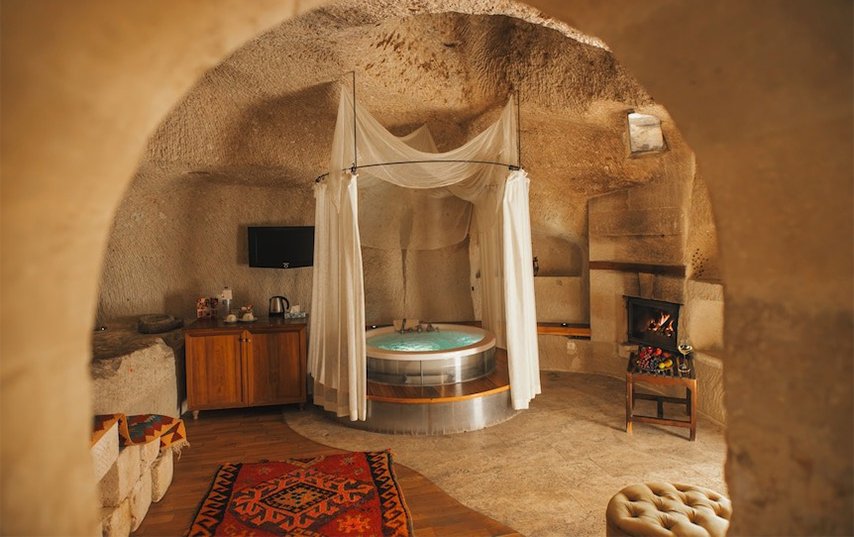
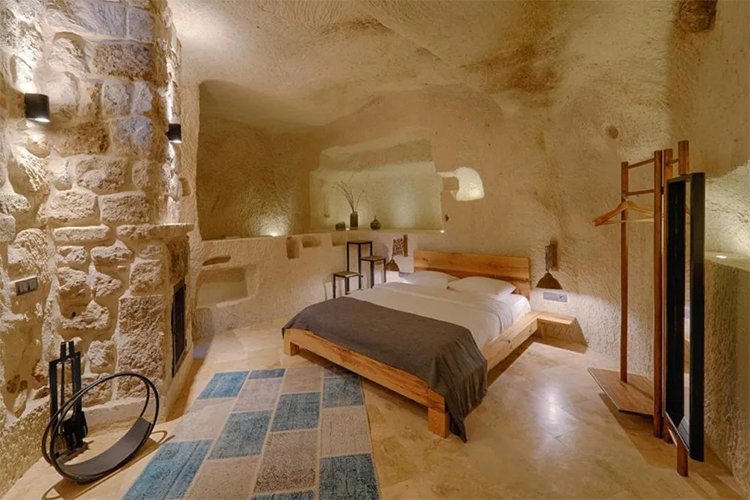
If you’ve never stayed in one, a cave hotel is basically a modern hotel experience wrapped inside old stone. Sometimes the room is carved directly into the rock. Sometimes it’s more of a “stone room” built in the same style—still beautiful, still textured, but with more predictable airflow and layout.
The first thing you notice is the quiet. Stone absorbs sound in a way drywall doesn’t. You come in from dusty streets, tour groups, engines, voices—and the room feels like someone turned the volume down.
The second thing you notice is the light. Cave hotels love warm, low lighting because it looks incredible on stone. It makes the room feel romantic, calm, and a little unreal.
And then you notice the trade-off: “unique” often means “not standard.” Corners aren’t always square. Some rooms have steps inside the room. Some bathrooms are tucked into odd places. And depending on the hotel and the exact room, you might run into issues that normal hotels don’t have—like mustiness, humidity in certain corners, or a room that feels colder than you expected at night.
None of that is a guaranteed problem. It’s just the reality of sleeping in something that wasn’t originally designed like a modern box.
Why I Wanted This Kind of Stay (Beyond the Photos)
Cappadocia isn’t a city where you’re “busy” in the same way as Istanbul. A lot of the magic is quiet: early mornings, long views, slow walks through valleys, lingering over breakfast while you decide whether you’re a “sunrise person” today.
I didn’t want my hotel to feel like a place I only returned to for sleep. I wanted it to be part of the experience—especially because Cappadocia has that once-in-a-lifetime feel. A cave hotel makes it feel specific. Like you couldn’t be anywhere else.
There’s also a practical reason: you do a lot of up-and-down in Cappadocia. Viewpoints, terraces, hills, stairs. If your accommodation feels calming and easy, it softens the entire trip. If it feels fussy or uncomfortable, you start resenting your own itinerary.
So yes, the photos got me in the door. But I stayed curious because I wanted the hotel to add something real to the trip—something I’d actually feel, not just post.
What I Loved (The Parts That Made It Feel Special)
1) The Silence That Makes You Exhale
There’s a kind of quiet you get in a cave room that feels different from “quiet hotel hallway” quiet. It’s thicker. Softer. Like the room is holding you in place.
One afternoon, I came back earlier than planned—no big reason, just tired—and I sat on the edge of the bed for a minute. No phone. No plan. Just breathing. And I realized I wasn’t just resting my body, I was resting my brain. That’s rare for me on trips, because I’m usually trying to squeeze in “one more thing.”
In a cave hotel, doing nothing feels… appropriate. Like the room gives you permission.
2) The Morning Mood Is Half the Point
Cappadocia mornings are unreal even if you never book a balloon flight. The air is cooler, the sky looks bigger, and the whole region feels like it’s waking up slowly.
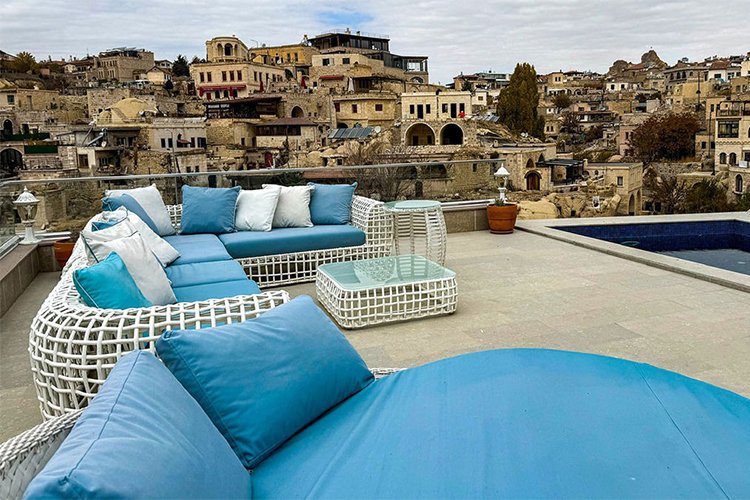
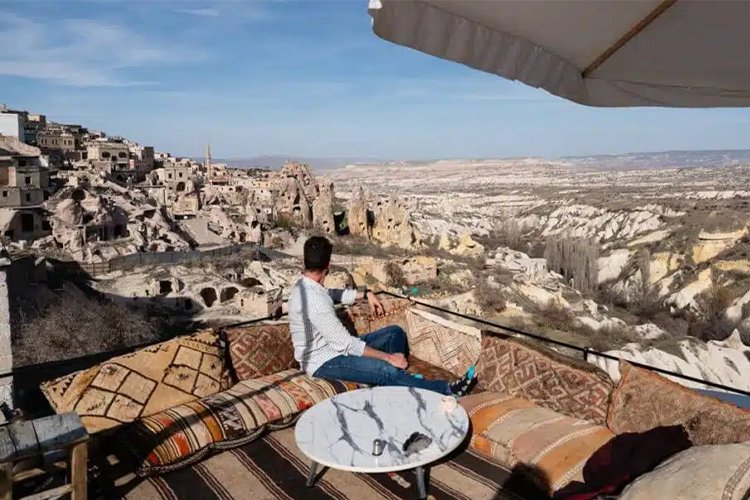
If your hotel has a terrace, it becomes your default location without you even deciding it. Tea in hand, jacket on, you stand there half-awake watching the sky do its thing.
And yes—balloons are weather-dependent, so they don’t happen every single morning. But even on non-balloon mornings, the ritual still hits: quiet streets, early light, birds, and that “I can’t believe this is real” feeling.
3) It Feels Like You’re Staying In Cappadocia, Not Near It
Plenty of places can give you a clean bed and a shower. A cave hotel gives you a sense of place. The walls don’t feel like décor; they feel like the region itself.
It changed small things. I didn’t rush out in the morning. I didn’t collapse into bed at night and instantly scroll. I spent more time sitting, looking, listening. It sounds minor, but it’s the kind of shift that turns a trip into a memory.
What Wasn’t So Cute (The Trade-Offs People Don’t Mention)
1) “Cave Cool” Can Turn Into “Cave Cold”
Stone rooms can feel naturally cool, which is great during warm days. But at night or early morning, that cool can feel sharper—especially if you’re the type who gets cold easily.
Not a dealbreaker. Just something you notice when you step out of a warm bed into a bathroom that hasn’t warmed up yet. If you’re sensitive to temperature, you’ll want to check if your room has strong heating and how well it holds warmth.
2) Musty Smell Is Rare… But When It Happens, It’s Memorable
Most cave hotels smell fine. But some rooms—usually older, more enclosed, or lower airflow—can develop a slight musty smell, especially after a steamy shower or if the room stays closed up.
It’s not always “mold,” and it’s not always a disaster. Sometimes it’s just stone + moisture + limited ventilation. But if you have allergies, asthma, or you’re extremely smell-sensitive, it’s worth being cautious. This is one reason some travelers prefer “stone rooms” (built above ground) over deep carved rooms—still beautiful, but often more predictable.
3) Layout Quirks Are Real (And You Notice Them at 11:30 p.m.)
This is the part nobody puts in the pretty TikTok: plug points can be in weird spots, lighting can be romantic but not practical, and storage can be limited. You might have a gorgeous carved ledge and nowhere to put your toiletries. Or a mirror that looks stunning but doesn’t help you when you’re trying to get ready quickly.
You can absolutely live with it. But if you travel with lots of devices (camera gear, chargers, power banks), you’ll want to set up a little “charging station” early so you’re not hunting for outlets later.
How I Would Choose One Next Time (So It’s Worth It, Not Just Pretty)
1) Pick the Room, Not Just the Property
Cave hotels can have wildly different room experiences under the same hotel name. A room near a walkway can feel louder. A deeper room can feel cooler. A top room can have better views but more stairs.
Next time, I’d choose based on:
quieter placement (away from reception/corridors)
better ventilation
fewer internal steps (unless I specifically want the “dramatic suite” vibe)
easy access if I’m carrying luggage
2) Don’t Let the Most Photogenic Room Decide for You
The most dramatic rooms are often the least practical. Tiny windows, dim corners, tricky bathrooms, weird angles. They’re amazing for one-night stays and content. For multiple nights, comfort wins.
If I’m staying two or three nights, I’d choose “still beautiful, but livable.” The kind of room you can actually relax in instead of constantly adapting to it.
3) Plan for Balloons Like a Calm Adult, Not a Desperate Optimist
If balloons are a dream for you, build your trip so you have more than one chance. Weather changes happen. It’s normal. Treat balloons as a bonus, not the only reason you’re there.
Also: even if you don’t fly, sunrise viewpoints and terraces can still give you that “Cappadocia moment.” You don’t need the basket ride to make the morning magical.
Who This Kind of Stay Is Perfect For
This is perfect for people who love travel that feels textured—people who remember the mood of a place more than the checklist.
If you’re someone who likes:
slow mornings
atmosphere and design that feels tied to the destination
unique stays that become part of the story
quiet time that doesn’t feel boring
…then a cave hotel can be one of your favorite travel choices.
It’s also great for couples, because it naturally creates that soft, calm rhythm: tea, terrace, dinner, early night, sunrise.
Who Should Probably Skip It
If you need everything to be predictable and modern—bright lighting, perfect climate control, lots of storage, normal walls—then a cave hotel might feel like extra work.
You should also think twice if you’re:
a very light sleeper
highly sensitive to smells or humidity
stressed by quirky layouts
someone who hates stairs (and Cappadocia is… not a stair-free destination)
In that case, a modern hotel in the area can still give you the views and location without the cave quirks.
The One Thing That Surprised Me Most
I expected the cave hotel to be “cool.” I didn’t expect it to change how I moved through the trip.
It slowed me down in a good way. I didn’t feel the need to squeeze every hour. I was more okay with sitting on a terrace doing nothing. I was more present at meals. I walked without rushing.
And honestly, that’s the part I remember most. Not the stone walls. Not the lamp glow. The feeling that the stay itself made the trip calmer.
Final Verdict
Was it worth it? Yes—for me, because it wasn’t just a bed. It was a mood. And Cappadocia is exactly the kind of destination where mood matters.
But here’s the honest rule: a cave hotel is only worth it when the comfort side is handled properly. If you book purely for aesthetics and ignore things like ventilation, heating, stairs, and room placement, the charm can wear off faster than you expect.
If you choose a room that’s livable—good airflow, comfortable temperature, practical setup—you get the best version of the experience: the quiet, the texture, the sunrise routine, and that feeling of staying somewhere that could only exist in Cappadocia.
So no, it’s not just aesthetic. But it becomes “just aesthetic” the second you book the most dramatic room without thinking about how you’ll actually live in it.




No Comment! Be the first one.