Curves Are Back: The Easy Way to Add Soft Shapes Without Buying New Furniture
For the longest time my space felt a little too “boxy.” Not ugly—just sharp. Straight sofa arms, rectangular coffee table, square frames, straight-edged everything. It looked fine in photos, but in real life it felt a bit stiff, like the room was always slightly bracing.
Then I started noticing how many homes look softer right now—not because they’re stuffed with decor, but because the shapes are gentler. Curves, arches, rounded edges. It’s the kind of change your brain registers immediately, even if you can’t explain why the room feels calmer.
The good part: you don’t need to replace your sofa to get that effect. You just need a few small “soft shape” moves.
The Rule That Makes Curves Work (So It Doesn’t Look Random)
Here’s the simple rule I follow: add 2–3 curved elements in different parts of the room. One curve can look accidental. Two or three start to look intentional.
Also—this matters—keep the rest of the room simple. Curves look best when they’re not competing with a ton of patterns and clutter.
The 6 Easy Curve Upgrades (No Big Purchases Needed)
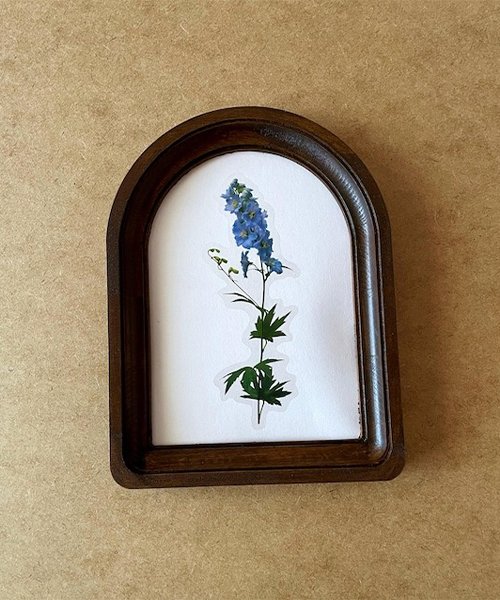
This is the smallest change that makes the biggest visual difference. If all your frames are rectangles, adding one oval or arch breaks the “grid” feeling immediately.
Keep it simple: one piece above a console, one on a shelf, or one on a gallery wall as the “soft” shape.
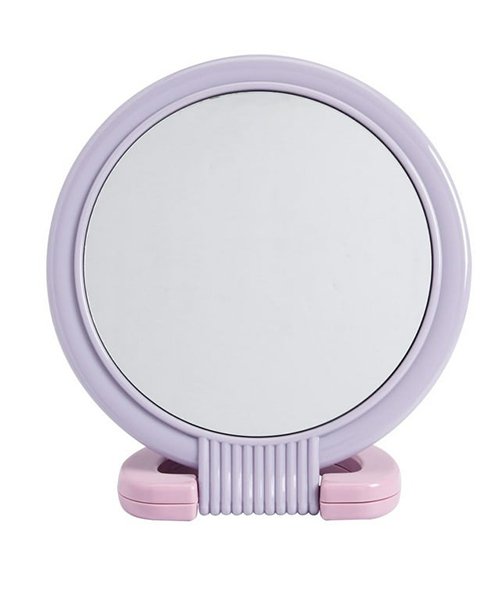
Round mirrors work because they soften a wall without needing a lot of decor. They also bounce light, so it’s a practical upgrade too.
If your room feels tight, a round mirror can make it feel more open. If your room feels harsh, it makes it feel gentler. It’s one of those rare decor pieces that’s both pretty and useful.
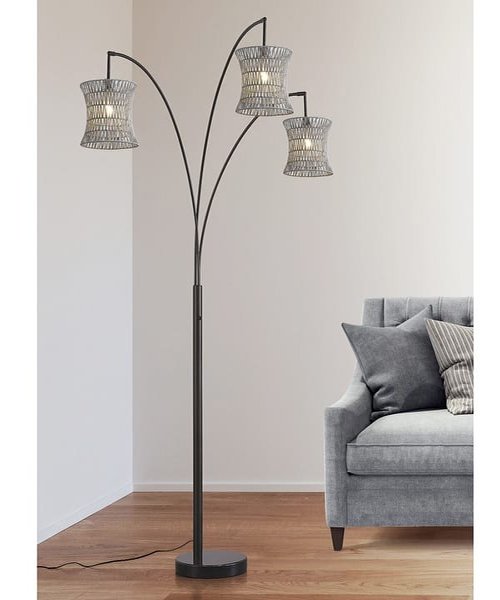
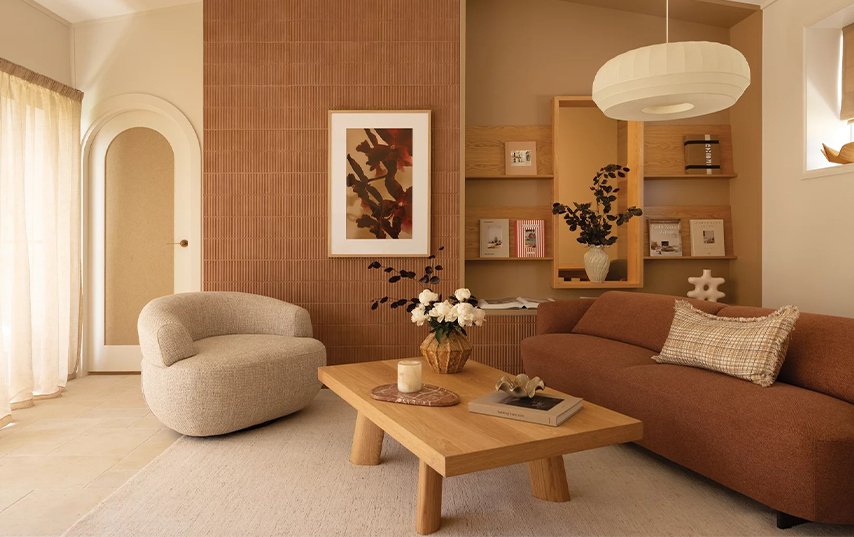
Lighting is an underrated way to add curves. Even if your furniture is all straight lines, a rounded lamp shade instantly changes the vibe at night. It makes the room look warmer and less “office.”
This one also works well in small spaces because it doesn’t take much room—just a little shape.
This is where it gets subtle: a rounded vase, a curved bowl, a softly shaped planter—something small that isn’t square.
The trick is to pick one item that looks sculptural but not “weird.” You want it to feel natural in the room, not like you’re trying to show off a trend.
Most rooms have sharp edge zones: corners, shelf ends, the side of a console, the end of a couch. If those spots look hard, the room looks hard.
Add one soft thing in an edge spot—like a round basket, a curved lamp, a circular mirror nearby—and it breaks the stiffness without you doing anything dramatic.
Where Curves Look Best (So You Get the Most Impact)
If you want the biggest payoff, add curves where your eyes naturally go:
above a console or entry table
above the sofa
near the main seating area
on the coffee table
in the corner that always feels “empty but awkward”
You don’t need curves everywhere. You just need them in the “main view.”
Quick Do’s and Don’ts (Short, Real-Life Version)
Do: add 2–3 curved elements across the room Don’t: add ten tiny curved items (it turns into clutter)
Do: mix curves with straight lines (balance looks best) Don’t: make everything rounded (it can feel theme-y)
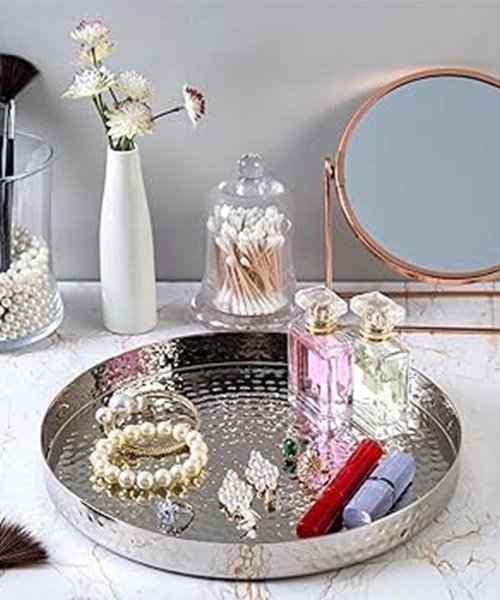
Do: pick curves that are also functional (mirror, tray, lamp) Don’t: buy random decor just to “follow a trend”
Final Take
Curves are back because they make rooms feel calmer. And you don’t need new furniture to get that look. A round mirror, an arched frame, a curved lamp shade, a round tray, and one or two softly shaped objects can take a room from “fine” to “finished” without turning it into a project.





No Comment! Be the first one.