


I didn’t notice my “desk posture” getting worse in a dramatic way. It wasn’t like I suddenly turned into a question mark overnight. It was quieter than that—little signals that showed up at random: shoulders feeling heavy by mid-day, neck tension that felt like it had been quietly loading in the background, and that stiff upper-back feeling when you stand up after a long work block. The annoying part was that I’d keep blaming my chair, my laptop, my workload… everything except the obvious truth: I was staying in one shape for too long, and my body was getting too good at that shape.
What helped wasn’t a perfect posture routine. It was a 5-minute reset that I could repeat without needing a mat, a mood, or a “new lifestyle.” It’s short enough to do on normal workdays and simple enough that I don’t overthink it.
Why “Posture Tips” Usually Don’t Work
Most posture advice fails because it sounds like you’re supposed to sit perfectly all day. Nobody does that. Real life is: you focus, you lean in, you forget your shoulders, you hold your breath, you get into the screen like you’re trying to merge with it. The goal isn’t perfect posture. The goal is interrupting the collapse before it builds into discomfort. That’s why the reset matters more than the “ideal position.”
The 5-Minute Reset (No Floor, No Equipment Needed)
Minute 1: The “Uncollapse” Stack
Sit back in your chair and feel your ribs over your hips (not forced, just organized). Then imagine your head floating a tiny bit up, like you’re making space between your shoulders and your ears. You’re not “sitting straight.” You’re just not folding forward.
Minute 2: Shoulder Drop + Back-of-Neck Length
Drop your shoulders down (not back, just down). Then gently pull your chin back a fraction—like you’re making the back of your neck long. This is the part that makes you realize how far forward your head drifted. Keep it gentle; it should feel like relief, not strain.
Minute 3: Upper-Back Wake-Up (Tiny, Controlled)
Bring your arms forward, interlace your fingers or just reach, and round your upper back slightly like you’re trying to create space between your shoulder blades. Then reverse it: open your chest a little (not a huge arch, just a small opener). Do that slow “round and open” a few times. This is basically telling your upper back: you’re allowed to move.
Minute 4: Hip Reset (Because Posture Starts Below the Neck)
Plant your feet, then do a gentle seated hip hinge: sit tall, then lean forward from the hips a little and come back up. Keep it small and controlled. If you can, stand up for 20 seconds and do two slow hip hinges standing. Hips that are stuck make your back work harder.
Minute 5: One Breath + One Decision
Take one slow breath and relax your shoulders on the exhale. Then make one tiny decision: move something in your setup (screen height, chair depth, foot position). The reset works best when it ends with a small “future-proof” change, even if it’s minor.
What to Buy (5 Products That Make This Way Easier)
These aren’t “must-haves,” but they reduce friction and make good posture feel more natural instead of something you force.
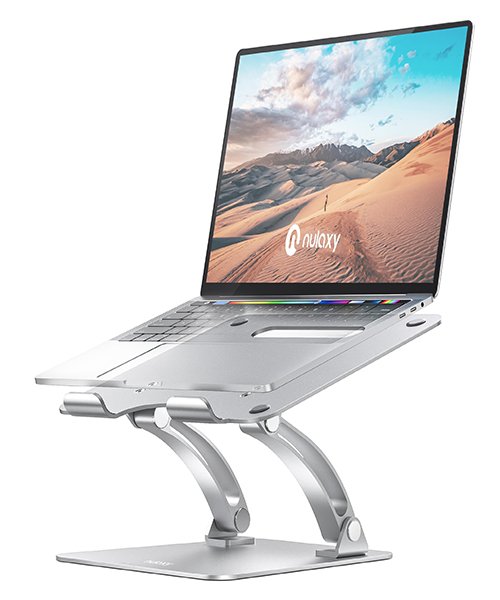
A laptop on a flat desk almost always pulls your head forward. A stand lifts the screen so your eyes meet it more naturally.
Details to look for: stable base (no wobble), enough height range, good airflow, and a footprint that fits your desk without stealing all your space.
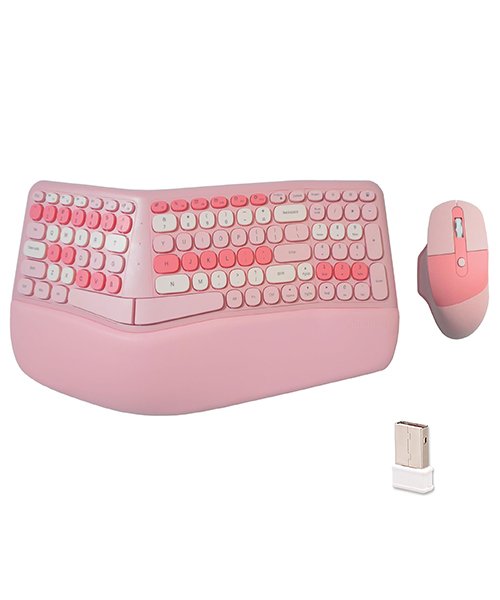
If your laptop is higher, your hands can’t stay on the built-in keyboard comfortably. A separate keyboard + mouse lets your shoulders drop and your elbows stay closer to your body.
Details to look for: comfortable key travel, a mouse that fits your hand size (too small causes tension), wired vs wireless based on your desk habits, and a simple setup you won’t “avoid” using.
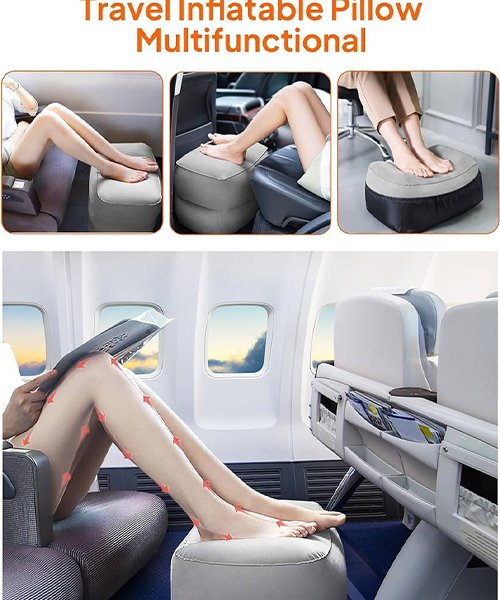
If your feet don’t feel grounded, your posture becomes unstable and your lower back tries to compensate. A footrest (or even a firm cushion/stacked books) can help you sit in a more supported position.
Details to look for: correct height (feet flat), non-slip base, and enough width so you’re not balancing on a tiny platform.
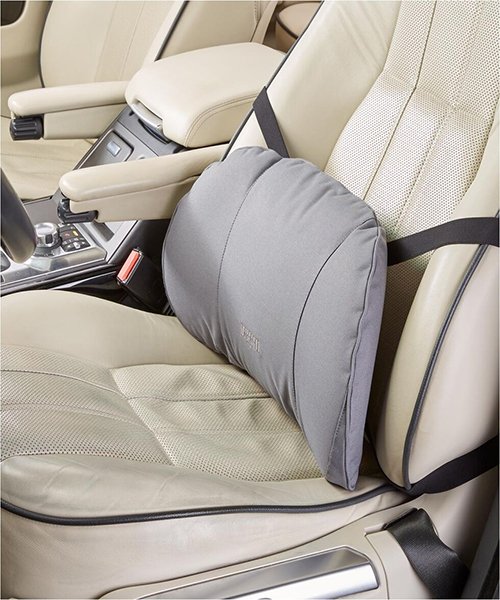
This isn’t about forcing an extreme curve—it’s about giving your lower back a “default” support so you don’t collapse without noticing.
Details to look for: a shape that supports the natural curve without pushing you forward, adjustable strap if you use different chairs, breathable fabric, and medium firmness (too soft = useless, too hard = annoying).
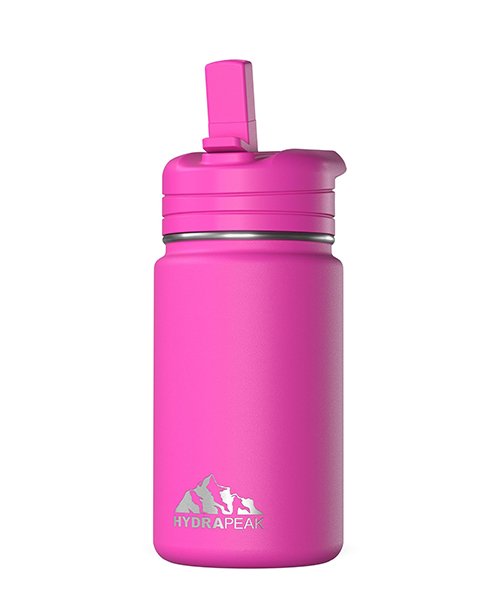
This sounds random, but it’s practical: sipping is easier, so you drink more, which means you naturally get more micro-breaks. And if you tie one tiny posture reset to each sip, the habit becomes automatic.
Details to look for: easy-clean straw, leak resistance, comfortable grip, and a size you’ll actually keep on your desk (too big becomes “effort,” too small means you ignore it).
Do’s and Don’ts (Short, Practical)
Do: reset often, even if it’s only 60 seconds. Don’t: wait until your neck is already angry.
Do: make your setup do the work (screen up, hands down). Don’t: “sit straight” through discomfort.
Do: keep shoulders down and breathe normally. Don’t: brace like you’re posing for a photo.
Do: treat this as maintenance. Don’t: treat it like a test you can fail.
Final Take
The most useful posture fix isn’t a perfect sitting position—it’s a repeatable reset that interrupts the slow collapse. Five minutes is enough to unlock your shoulders, wake up your upper back, re-ground your hips, and make the rest of your workday feel less tense. Add one or two simple setup upgrades (especially screen height + keyboard/mouse), and posture stops being a constant battle and starts feeling like something your environment supports.
No Comment! Be the first one.