My Simple Home Strength Setup (That Fits in a Corner)
For a long time I kept thinking I needed “more space” to get consistent with strength training. Like the only way it would work is if I had a full home gym, a dedicated room, a perfect routine, and the kind of life where nothing ever interrupts me. But the truth was simpler: I didn’t need more space. I needed less friction. I needed a setup that lives in one corner, takes two minutes to start, and doesn’t turn into a whole event.
Because if working out requires a big setup, I’ll talk myself out of it. If it’s already sitting there, ready, my brain treats it like brushing teeth—something you do because it’s easy to do.
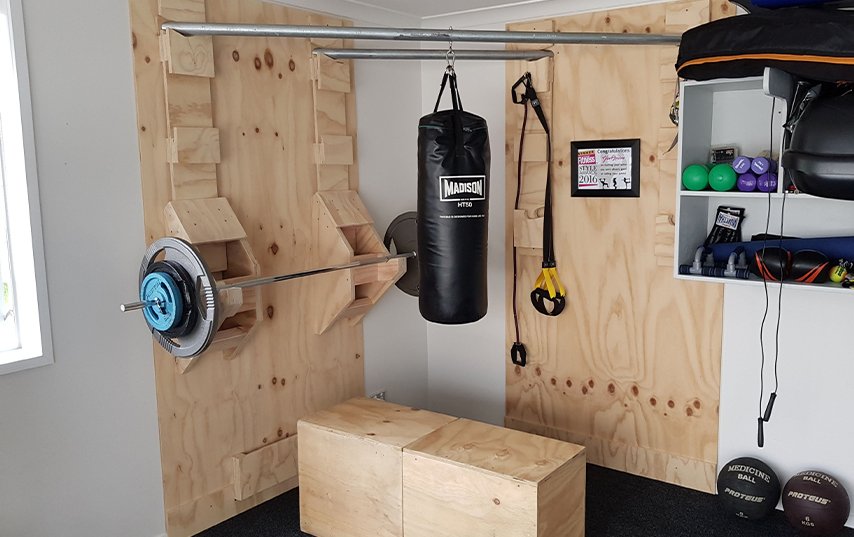
So I built a small “corner gym” on purpose: five pieces, zero drama, enough variety to train full-body strength without feeling like I’m living in a fitness store.
The Rule I Used Before Buying Anything
I used one rule that saved me from buying random stuff: everything has to earn its place. If an item only does one thing and takes up space, I skip it. If it can cover multiple movements and store neatly, it stays.
Also, I wanted equipment that feels friendly. Not intimidating. Not heavy in a “this will sit in a closet forever” way. Just practical tools that help me do the basics consistently.
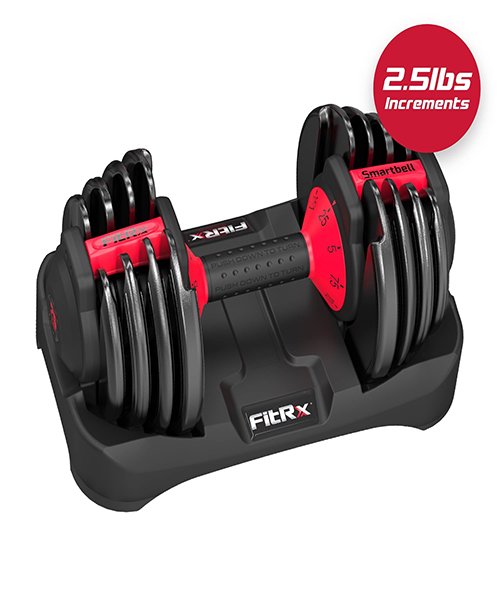
If you only buy one strength item, this is the one. Adjustable dumbbells replace a whole rack of weights, and that’s what makes them worth it for small spaces.
Details to look for:
Weight range: enough to grow with you (people usually outgrow super-light sets quickly)
Adjustment style: quick-change is easier to stick with than plates you have to unscrew every time
Handle comfort: if the grip feels weird, you’ll avoid using them
Storage footprint: ideally they stay on one base/stand so you’re not tripping over them
Noise/wobble: if the system rattles a lot, it can feel annoying (and you’ll use it less)
This one piece covers presses, rows, deadlift variations, squats, lunges, and carries—basically your whole strength menu.
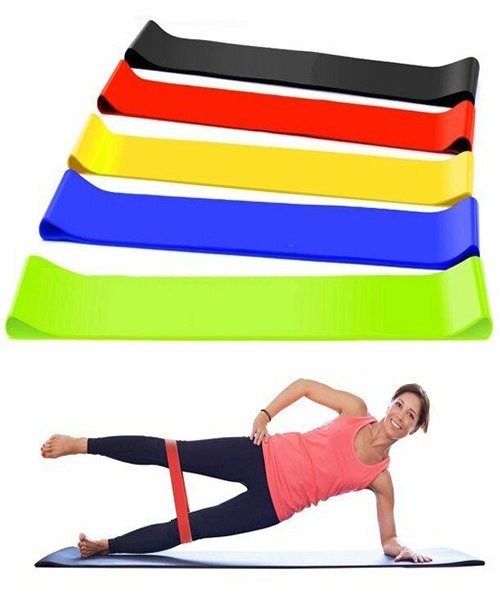
Loop bands are the easiest way to add lower-body work without needing a lot of weight. They’re also great for warm-ups and making basic exercises feel harder without making your setup bigger.
Details to look for:
A set with levels: light, medium, heavy (so you’re not stuck with one tension)
Material choice:
latex = more stretch, lighter feel
fabric = less roll-up, more comfortable on legs
Width: wider bands usually feel nicer and roll less
Use cases: glute bridges, side steps, squats, hip work, shoulder activation
They’re also the “I have five minutes” tool. You can do a full mini-session with bands alone.
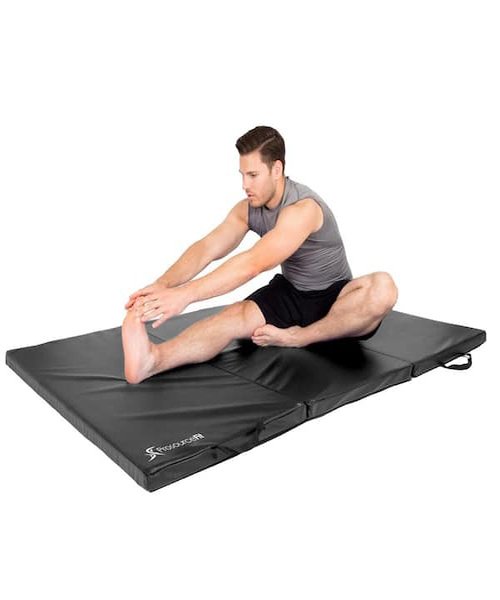
A mat sounds basic, but it changes consistency. Without a mat, the floor feels cold/hard and you skip anything that requires lying down, kneeling, or stretching. With a mat, the room becomes workout-friendly instantly.
Details to look for:
Thickness: enough cushioning to protect knees and spine (too thin feels punishing)
Grip: a mat that slides will annoy you fast
Foldable or easy-roll: if storage is annoying, you’ll stop using it
Cleaning: wipes easily, doesn’t hold smell
The mat is what makes core work, mobility, warm-ups, and cool-downs feel realistic instead of optional.
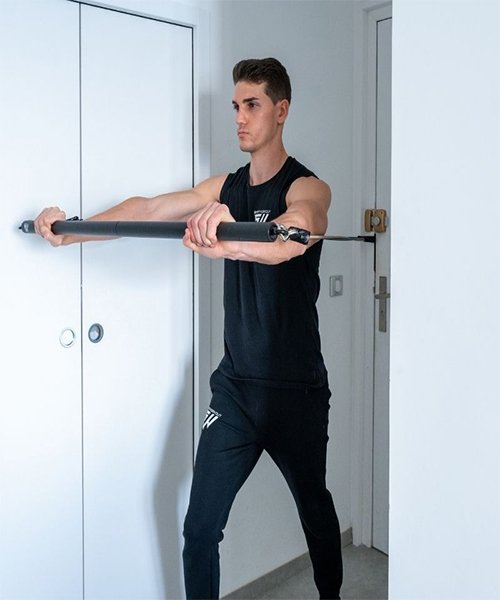
If you want a stronger upper back without a big machine, a door anchor is the hack. It turns resistance bands into a mini cable station. You can do rows, pulldowns, face pulls—movements that help posture and balance all the pushing exercises.
Details to look for:
Door safety: use a sturdy door that closes firmly (and ideally locks)
Placement options: top/middle/bottom anchoring gives you more exercise variety
Anchor thickness: it should feel secure, not like it’s slipping
Band compatibility: some anchors work better with long tube bands; others handle flat bands too
This one item is small, cheap, and it’s what stops a home setup from being “only legs + push-ups.”
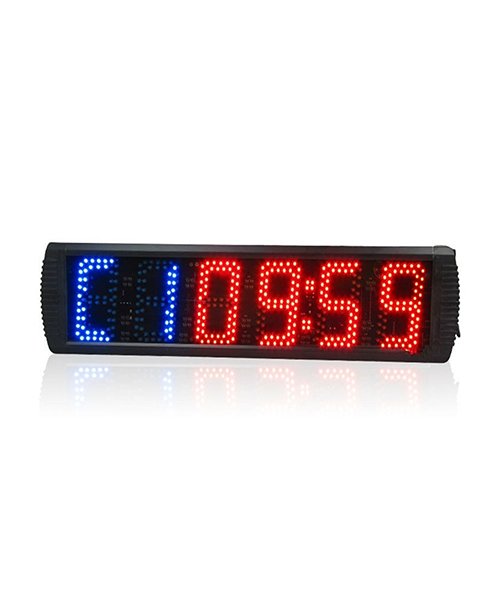
This is the least glamorous item on the list and the one that makes the biggest difference. A timer turns workouts into simple blocks so you don’t waste energy deciding what to do next.
Details to look for:
Easy presets: like 30 seconds work / 30 rest, or 40/20
Clear sound: you want to hear it across the room
Simple controls: if it’s annoying to set up, you’ll stop using it
No over-tracking needed: the goal is structure, not pressure
Timers make workouts feel lighter because you’re not constantly checking the clock or negotiating with yourself.
How I Set Up the Corner (So It Stays Clean)
I keep everything in one spot so it doesn’t spill into the room and start feeling like clutter.
Dumbbells on their base/stand
Bands in one small basket (so they don’t become a tangled mess)
Door anchor stored with the bands
Mat folded/rolled beside the basket
Timer on the shelf or inside the basket
The setup looks tidy even when I’m not working out, and that matters because if the gear makes your space feel messy, you’ll start resenting it.
What a Week Looks Like (Simple, Repeatable, Not Intense)
This isn’t a “perfect program.” It’s what I can actually repeat.
Day A: Full Body Basics (20–30 minutes)
Squat or sit-to-stand variation (dumbbells optional)
Row (band + door anchor)
Press (dumbbells or incline push-ups)
Hinge (deadlift-style movement with dumbbells)
Short core finisher on the mat
Day B: Lower Body + Core (20 minutes)
Loop band side steps + glute bridges
Lunges or split squats (bodyweight or dumbbells)
Hip hinge (light dumbbells)
Core on mat (slow and controlled)
Day C: Upper Body + Posture (20 minutes)
Rows and face pulls (band + door anchor)
Dumbbell press (light/moderate)
Shoulder work (light loop band or small dumbbells)
Quick stretch on mat
Some weeks I do 2 sessions. Some weeks I do 3. The goal is not perfection. The goal is that the setup makes it easy to return.
Do’s and Don’ts (Short, Real-Life Version)
Do: keep the setup visible and ready Don’t: hide it in a closet and expect “motivation” to rescue you
Do: choose equipment that covers many movements Don’t: buy niche gear that only works if you’re already consistent
Do: use a timer so you stop overthinking Don’t: spend 15 minutes planning a 20-minute workout
Do: start lighter and build gradually Don’t: turn day one into a “prove yourself” session
Final Take
This corner setup didn’t magically make me disciplined. It did something more useful: it made strength training feel normal. Adjustable dumbbells, loop bands, a mat, a door anchor, and a simple timer give you enough variety to train your whole body without needing a big room or a big mood.
If you want consistency, make it easy to start. A home setup that fits in a corner is powerful because it removes excuses quietly—no commute, no waiting, no decision fatigue. You just start.



No Comment! Be the first one.