

I didn’t book a boutique hotel in Paris because I needed a place to sleep. Paris has plenty of normal hotels that do the job. I booked boutique because I wanted the trip to feel a little more… Paris. The kind of place with a narrow staircase, a tiny lobby that smells faintly like perfume, and a room that looks like it’s been lived in by someone with better taste than me.
But boutique hotels come with a quiet question no one asks in the photos: are you paying for character, or paying for inconvenience dressed up as charm? Because in Paris, “cozy” can mean “tiny,” and “historic” can mean “you’ll hear the neighbor’s phone vibrate.”
This blog isn’t a hotel review of one specific property. It’s the real-life breakdown of what a boutique stay in Paris tends to feel like, what surprises you, what annoys you, and what makes it worth the money—if it is worth it for you.
The 10-second definition: What “boutique” means in Paris
In Paris, boutique usually means:
- smaller hotel (often 20–60 rooms)
- design-forward (even if the rooms are small)
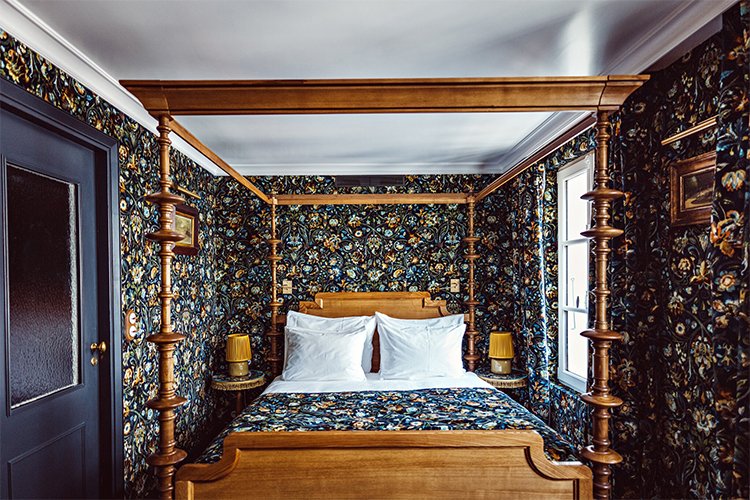
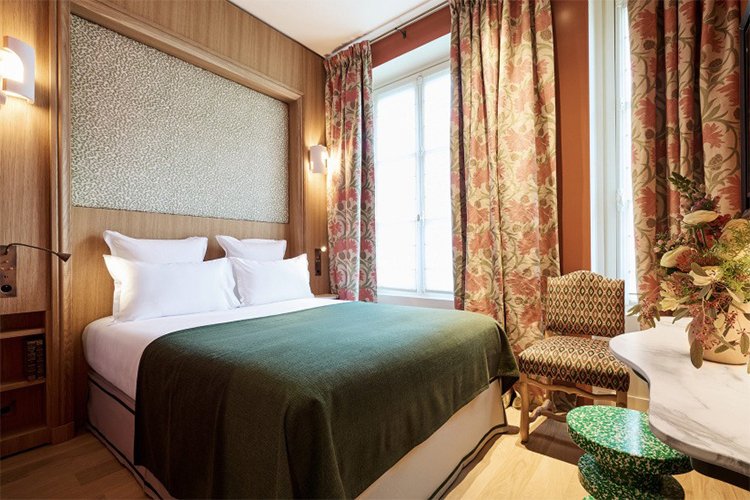
- a strong “mood” (lighting, textiles, vintage details)
- more personality, less standardization
Sometimes boutique also means:
- older building
- smaller lift (or no lift)
- tighter bathrooms
- fewer “business hotel” conveniences
That’s not bad. It’s just the trade.
Before you book: the three questions that decide everything
1) Do you want “quiet Paris” or “Paris outside your door”?
If you stay right in the middle of high-traffic areas, the energy is amazing… and so is the noise. If you stay slightly out, you’ll sleep better and still reach everything quickly.
Real-life rule: In Paris, a 15–25 minute metro ride is normal and doesn’t ruin your trip. But a bad night’s sleep will.
2) Are you okay with small rooms if they feel beautiful?
Paris rooms—especially boutique rooms—can be small. If you’re the type who needs space to unpack, move around, lay clothes out, or work comfortably, small can feel frustrating by day two.
If you’re the type who treats the room like a crash pad + shower + “wow this looks cute,” you’ll be fine.
3) Do you want “design” or “function”?
Some boutique hotels nail both. Some are heavy on the vibe and light on the basics (hooks, outlets, proper lighting, storage). The photos don’t show you where you’ll charge your phone.
If a room looks stunning but has nowhere to put your bag, you’ll notice that in the first hour.
Arrival: The first hour tells you whether you chose right
The first hour in a Paris boutique hotel is usually one of two experiences.
Experience A: “Oh, this feels special.”
You drop your bag, the lobby is calm, the staff is warm, the lighting feels intentional, the room looks like a set, and you instantly want to take a shower and go out for dinner.
Experience B: “Okay… we’re making compromises.”
The lift is tiny (or missing), the corridor is narrow, the room is smaller than expected, and your suitcase suddenly feels huge and personal.
Here’s what separates “charming small” from “annoying small”:
- Can you open your suitcase without doing furniture Tetris?
- Is there a hook or surface for your daily items?
- Can you stand in the bathroom without banging your elbow?
- Is the bed actually comfortable, not just pretty?
If those four things work, you’ll forgive almost everything else.
The part nobody says out loud: Paris noise is real
Even good hotels can’t fully erase city sound in older buildings. And boutique hotels often live in older buildings.
What you might hear:
- street life (especially evenings)
- scooters and late-night chatter
- plumbing sounds
- doors closing on the floor
This doesn’t mean “avoid boutique.” It means:
- if you’re a light sleeper, choose calmer streets
- ask for a room away from the street if possible
- don’t pick nightlife-heavy areas if sleep matters to you
Some travelers can sleep through anything. Others can’t. Be honest about which one you are.
The daily rhythm: why boutique can feel worth it by day two
The best boutique hotels make your day feel smoother in little ways. Not “luxury” in a loud way—more like a quiet lifestyle upgrade.
Morning: you start slower
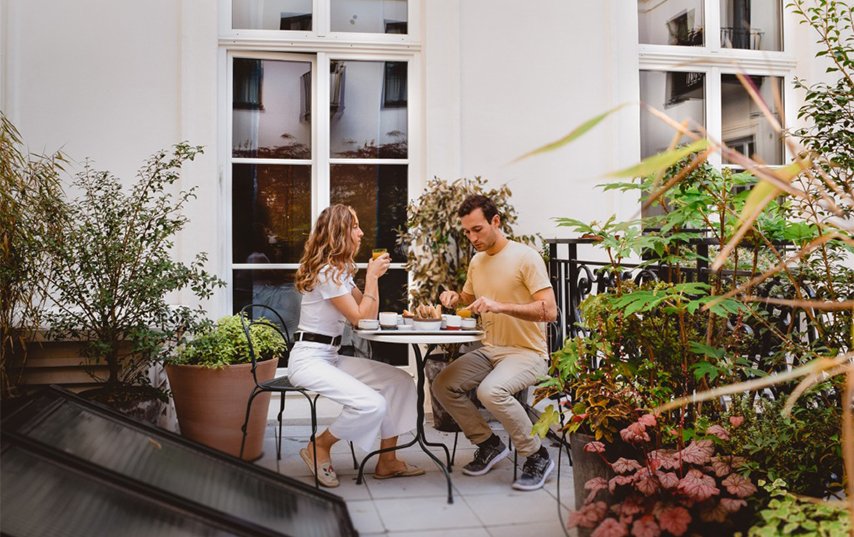
A good boutique breakfast or even just a nice breakfast room changes your morning. It encourages you to sit for ten extra minutes. You don’t rush out like you’re escaping a bland hotel corridor.
Even if you don’t eat breakfast at the hotel, the vibe can still set your day: good light, calm lobby, a sense that you’re living somewhere, not just staying somewhere.
Afternoon: coming “home” feels good
Paris days can be long—walking, museums, metro, crowds, weather changes. When your hotel feels cozy and human, you actually enjoy returning for an hour. That midday reset can make your evening feel better.
Night: the hotel becomes part of the memory
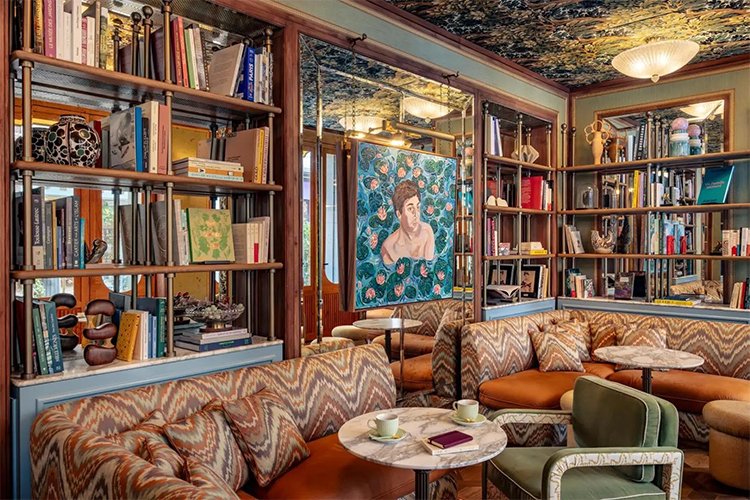
This is the boutique advantage. You remember the staircase. The lobby music. The warm lighting. The way the room looked when you came back late and the city felt quiet.
A standard hotel can be perfectly fine—and you’ll forget it instantly. Boutique is often memorable.
The hidden trade-offs (the stuff that sounds small until it isn’t)
1) Lighting that’s romantic but not practical
Boutique hotels love mood lighting. Great for photos. Less great for:
- doing makeup
- shaving
- packing at night
- finding anything black in a black bag
2) Outlets in inconvenient places
This is the classic boutique problem: the room looks curated, but you’re charging your phone from a socket behind a lamp behind a chair behind your patience.
3) Bathrooms that are “smartly designed” (aka small)
Some are fine. Some are so compact you feel like you’re showering inside a design concept.
4) Temperature can be unpredictable
Older buildings + older systems sometimes mean rooms that run warmer or cooler than you expect. Not always, but enough that it’s worth preparing for.
None of these are disasters. They’re just the little friction points that decide whether you feel “this is charming” or “this is annoying.”
A different way to choose: pick the kind of boutique you want
Instead of choosing by photos only, pick by vibe:
If you want romance and atmosphere:
Choose boutique where the room and common areas feel warm and intimate. You’re paying for mood, so you should actually want mood.
If you want a calm base:
Choose boutique that leans quiet and minimal, in a calmer area. You’ll still get design, but the trip will feel more restful.
If you want “Paris outside your door”:
Choose a lively neighborhood and accept the noise trade-off. You’re paying to step out into the city instantly.
This is why two people can stay in “boutique” hotels in Paris and have completely different experiences. They didn’t book the same kind of boutique.
Who a Paris boutique hotel is perfect for
You’ll love it if:
- you care about the feeling of a place
- you like design, texture, atmosphere
- you don’t need a big room to be happy
- you want your accommodation to be part of the trip, not just a bed
It’s especially good for shorter trips (2–4 nights) because the charm stays fresh and you’re less likely to get annoyed by the small compromises.
Who should skip boutique (and feel zero shame)
Skip it if:
- you want guaranteed silence and space
- you’re traveling with a lot of luggage
- you need a big desk / work setup
- you get stressed by small inconveniences (lighting, outlets, tiny bathrooms)
A clean, modern hotel can be the smarter choice—and Paris will still feel like Paris the second you step outside.
My honest conclusion
A boutique hotel in Paris is worth it when you want the hotel to add to the story, not when you’re trying to “upgrade” comfort.
If your priority is experience—the mood, the details, that feeling of living somewhere beautiful—boutique can genuinely elevate your trip. You’ll remember it. It becomes part of the Paris memory.
If your priority is maximum function—space, silence, predictable comfort—boutique can feel like paying extra for inconvenience dressed up as charm.
The best way to win is simple: choose boutique for atmosphere, choose modern hotels for ease. Once you’re honest about what you want, Paris gets easier—and your stay stops being a gamble.
No Comment! Be the first one.