The 7-Day “Walk + Strength” Week That Doesn’t Feel Like Training
Some weeks I don’t need a “program.” I need a reset that doesn’t feel heavy. Because the moment fitness starts feeling like homework, I start delaying it. I plan too much, overthink everything, and then do nothing.
That’s why I like a walk + strength week. It’s simple. It’s low-pressure. It’s the kind of plan that works even when life is messy, because walking is already close to normal life, and the strength part is short enough that it doesn’t require a whole personality change.
This isn’t a transformation week. It’s a momentum week—the kind that makes movement feel easy to return to.
The Rules (So This Stays Light)
I use three rules to keep this week from turning into a serious training plan:
Walking is the main event. Strength is just support.
Strength sessions are short. 10–15 minutes. No drama.
Minimum version counts. If you do the walk but skip strength, the day still counts.
The goal is consistency, not intensity.
The Week Plan (7 Days, Simple On Purpose)
You can do this at home with bodyweight only. If you have dumbbells or bands, great, but it’s optional.
Day 1 — Walk + “Wake Up” Strength (10 minutes)
Walk: 15–25 minutes, easy pace Strength (10 min):
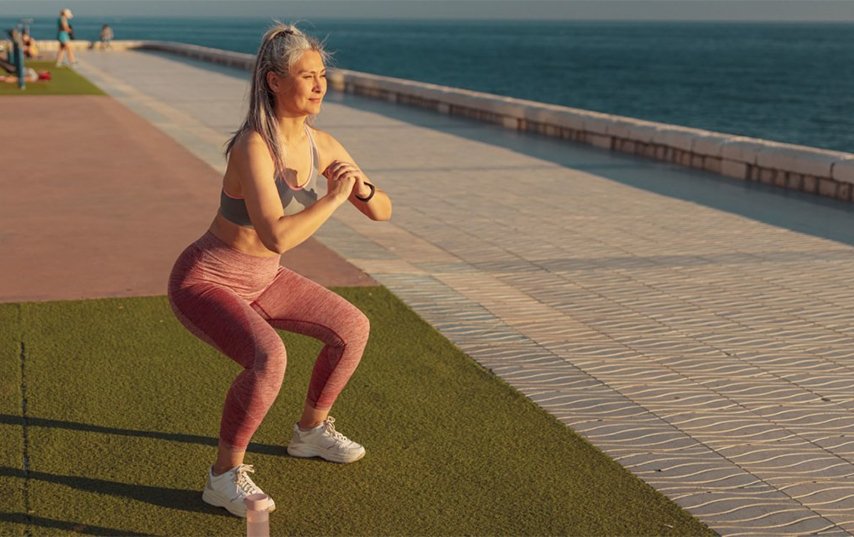
squats (slow, controlled)
incline push-ups (counter/wall is fine)
hip hinge (gentle deadlift-style movement)
a short plank or standing core
This day is about starting without making it a big deal.
Day 2 — Walk Only (Make It Pleasant)
Walk: 20–35 minutes No strength today. This is intentional. When you remove pressure, you’re more likely to keep going tomorrow.
If you can, walk somewhere slightly nicer than usual—trees, quiet streets, a loop you don’t hate. The vibe matters more than the pace.
Day 3 — Walk + Lower Body Support (12 minutes)
Walk: 15–25 minutes Strength (12 min):
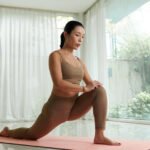
lunges or split squats (short range is fine)
glute bridges (or standing glute squeezes if you hate the floor)
calf raises
gentle stretch (30 seconds)
Lower body support makes walking feel easier over time. Even light strength helps.
Day 4 — Walk + Mobility Finish (10 minutes)
Walk: 20–30 minutes Mobility (10 min):
hip circles
counter stretch for upper back
gentle twist
shoulder drop + neck reset
This day is the “my body feels better” day. Not sweaty, just looser.
Day 5 — Walk + Upper Body/Posture Support (12 minutes)
Walk: 15–25 minutes Strength (12 min):
rows (if you have a band/door anchor) OR towel row isometrics (pull gently, hold)
shoulder-friendly push-ups (incline)
light overhead reach + shoulder rolls
core: slow standing knee lifts
This day makes your desk posture and shoulder tension feel less dramatic.
Day 6 — Longer Walk Day (No Strength)
Walk: 35–60 minutes (or split into two smaller walks) This is the “reset” day. Don’t race it. Don’t turn it into a test. Just let it be long enough that your nervous system calms down.
If you’re not in the mood, do two short walks. That still counts.
Day 7 — Walk + Choose Your “Keep” Routine
Walk: 15–30 minutes Strength (10 min): pick your favorite 3 moves from the week and repeat them.
Then decide what you’ll keep going forward:
3 walks per week + 2 short strength sessions or
daily short walks + 2 strength sessions or
walk every day + 10-minute strength twice
Pick what feels easiest. Easy is what lasts.
What I Noticed By the End of the Week
This doesn’t feel like training, but it changes things quietly:
walking felt smoother (less stiffness)
my body felt more “awake” during the day
posture improved without me forcing it
I felt less guilty about fitness because I was actually doing something
I didn’t dread movement, which is the most underrated win
A lot of people quit fitness because they associate it with pressure. This week removes pressure.
Do This, Not That
Do: keep walks easy enough to enjoy Don’t: turn every walk into cardio punishment
Do: keep strength sessions short Don’t: overbuild the plan and then abandon it
Do: let the “minimum version” count Don’t: quit because one day wasn’t perfect
Final Take
A 7-day walk + strength week works because it’s human. It fits into real schedules, real energy levels, and real motivation. Walking gives you consistency; short strength sessions give your body support. Together, they create momentum without feeling like training—and momentum is what most people actually need.






No Comment! Be the first one.