The “Soft Minimal” Home That Still Feels Personal (Not Empty)
Minimal homes look amazing online… until you try to live in one. Then you realize the difference between “minimal” and “empty” is basically one bad day. You put your keys down, a charger appears, a water bottle shows up, a hoodie lands on a chair, and suddenly your clean space looks like it gave up.
For a while I thought soft minimal meant owning almost nothing. But that’s not realistic. Most people don’t want a home that feels like a showroom. They want calm and comfort. They want clean surfaces, but they also want personality. They want a space that feels quiet without feeling cold.
That’s what “soft minimal” is for me now: fewer things visible, but the things you do see feel warm, lived-in, and intentional.
What “Soft Minimal” Actually Means
Soft minimal is not stark white walls and one lonely chair. It’s more like:
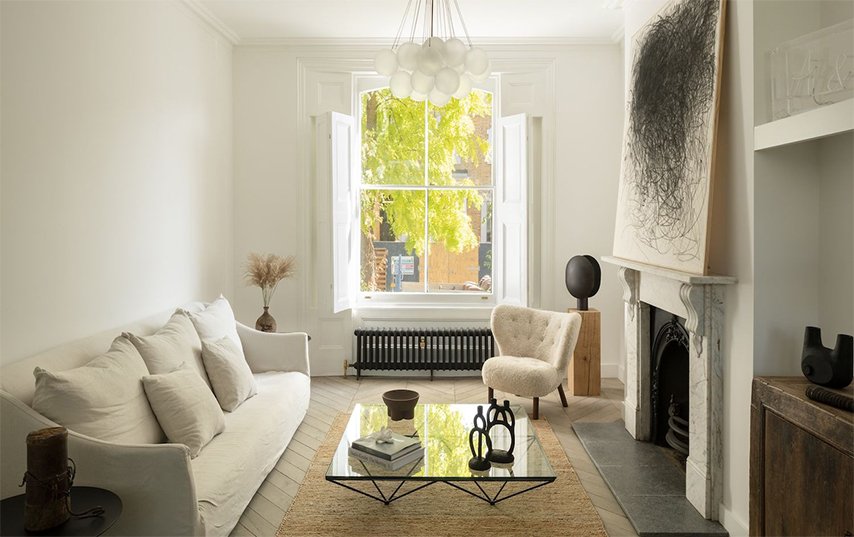
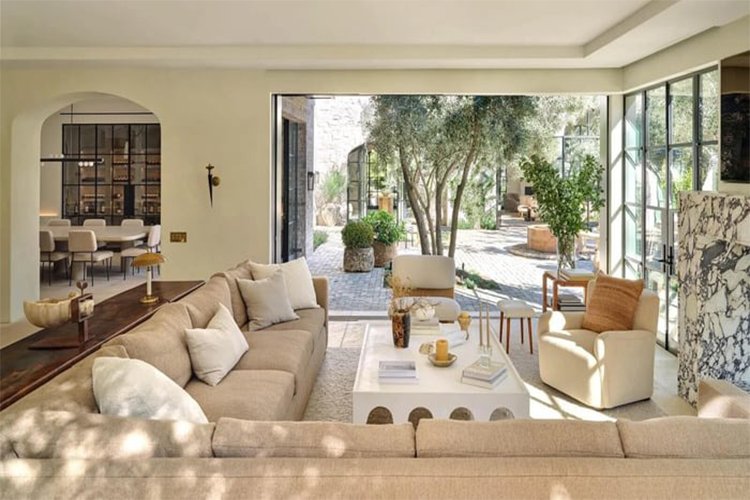
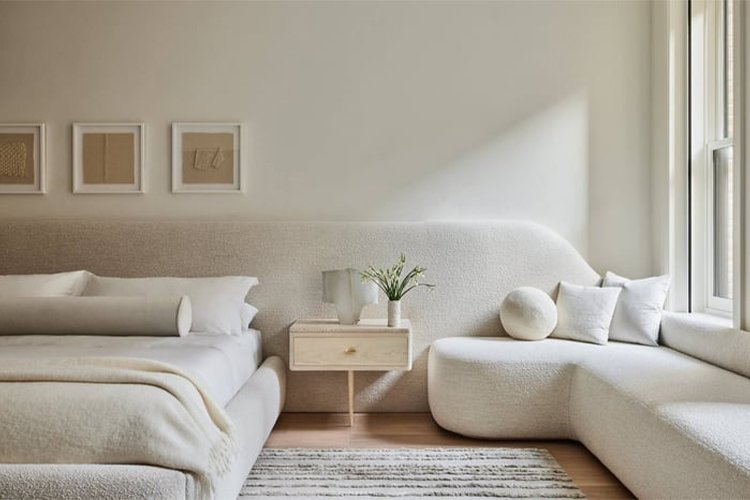
a calm base (neutrals, soft tones, warm woods)
a few textures (linen, wool, wood, matte ceramics)
fewer items out, but better chosen items
a home that looks simple, but still feels like a person lives there
It’s minimal, but not strict. Quiet, but not sterile.
The 5 Rules That Make It Feel Personal (Not Empty)
1) Keep the “Base” Calm, Then Add Warmth in Texture
If everything is neutral but flat, the room looks unfinished. Texture is what makes neutrals feel rich.
Easy texture ideas:
linen pillow covers
a soft throw blanket
a woven basket
a matte ceramic vase
warm wood tones
You don’t need many pieces. You just need contrast between smooth and soft.
2) Use Fewer Items, But Make Them Bigger
This is the trick that makes minimal spaces feel expensive. Instead of ten tiny decor items, use one or two larger ones.
For example:
one larger framed print instead of five small frames
one bigger plant instead of multiple tiny ones
one statement bowl or vase instead of little trinkets everywhere
Big pieces look intentional. Small pieces multiply into clutter.
3) Create One “Personal Shelf” (And Keep the Rest Calm)
Soft minimal still needs personality. But if personality is spread everywhere, the home looks busy. So I like one concentrated area: a shelf, a console, a small corner.
This is where you put the human stuff:
a photo frame
a travel object
two favorite books
a candle you actually use
The rest of the room stays calmer, which makes that personal shelf feel special instead of messy.
4) Hide the Ugly Life Stuff (Because It’s Always There)
Minimal homes don’t magically have less life. They just hide the messy parts better.
The most important “hide” categories:
cords and chargers
mail and paper
random small objects (keys, coins, clips, tools)
extra toiletries
shopping bags and packaging
A simple system works: one drawer, one basket, one bin, one “drop zone” that isn’t visible from the main view. The goal isn’t perfection—it’s fewer visual distractions.
5) Light Matters More Than People Admit
Soft minimal without warm lighting looks cold. Even if your decor is perfect, harsh lighting will make the room feel sterile.
The easiest fix is layered lighting:
one warm table lamp
one floor lamp or wall sconce
optional soft background glow (like a small light on a shelf)
At night, this is what makes a minimal space feel cozy instead of clinical.
The Mistake That Makes Minimal Homes Feel “Empty”
The biggest mistake is removing everything without replacing it with warmth. If you clear surfaces but don’t add texture, scale, and soft lighting, the room feels unfinished.
Soft minimal works when the room still has:
comfort (throw, pillows, softness)
warmth (wood, warm tones)
one personal touchpoint (so it feels like you)
Final Take
A soft minimal home isn’t about living with nothing. It’s about living with fewer visible things and choosing warmth on purpose—texture, scale, soft lighting, and one personal shelf that makes the space feel human. The goal isn’t a showroom. The goal is calm that you can actually live in.




No Comment! Be the first one.